What to Look for Before Buying a House: An Interior Designer’s Perspective
August 20, 2026
One of our clients recently shared that he won’t put an offer on a home until we’ve walked it first.
He isn’t simply asking for our thoughts on design direction or what the house could become. He’s asking because we know him. We understand how his family lives, what they need from a home, what they value and the details that will matter to them over time.
What he really wants to know is whether the house he’s considering can get them where they want to go if it doesn’t already. Does it have the right bones? Can it support the life they envision, or will they spend years trying to make something work that never quite will?
It’s not an uncommon request. We’re often invited to walk a property before a client makes an offer, not only to evaluate its design potential, but to consider that potential through the lens of the people who may live there. After all, some of the most consequential design decisions happen long before a home is purchased.
Looking Beyond the Surface
It’s easy to fall in love fast, with impressive staging, a fresh coat of paint, updated hardware, or a newly renovated kitchen. But those elements are the easiest to change. What matters most are the elements that define a home for decades, and impact the way it functions day to day. The architecture, natural light, proportions, and circulation. These are the factors that determine a home’s lasting potential (and return on investment).How to Evaluate a Home’s Potential: The Green Flags
Great homes reveal themselves through their architecture. The doorways, window frames, ceiling lines, and millwork. These are the details that catch our eye first. So rather than focusing on finishes, we first evaluate a home’s underlying structure. We analyze:Strong Architectural Character
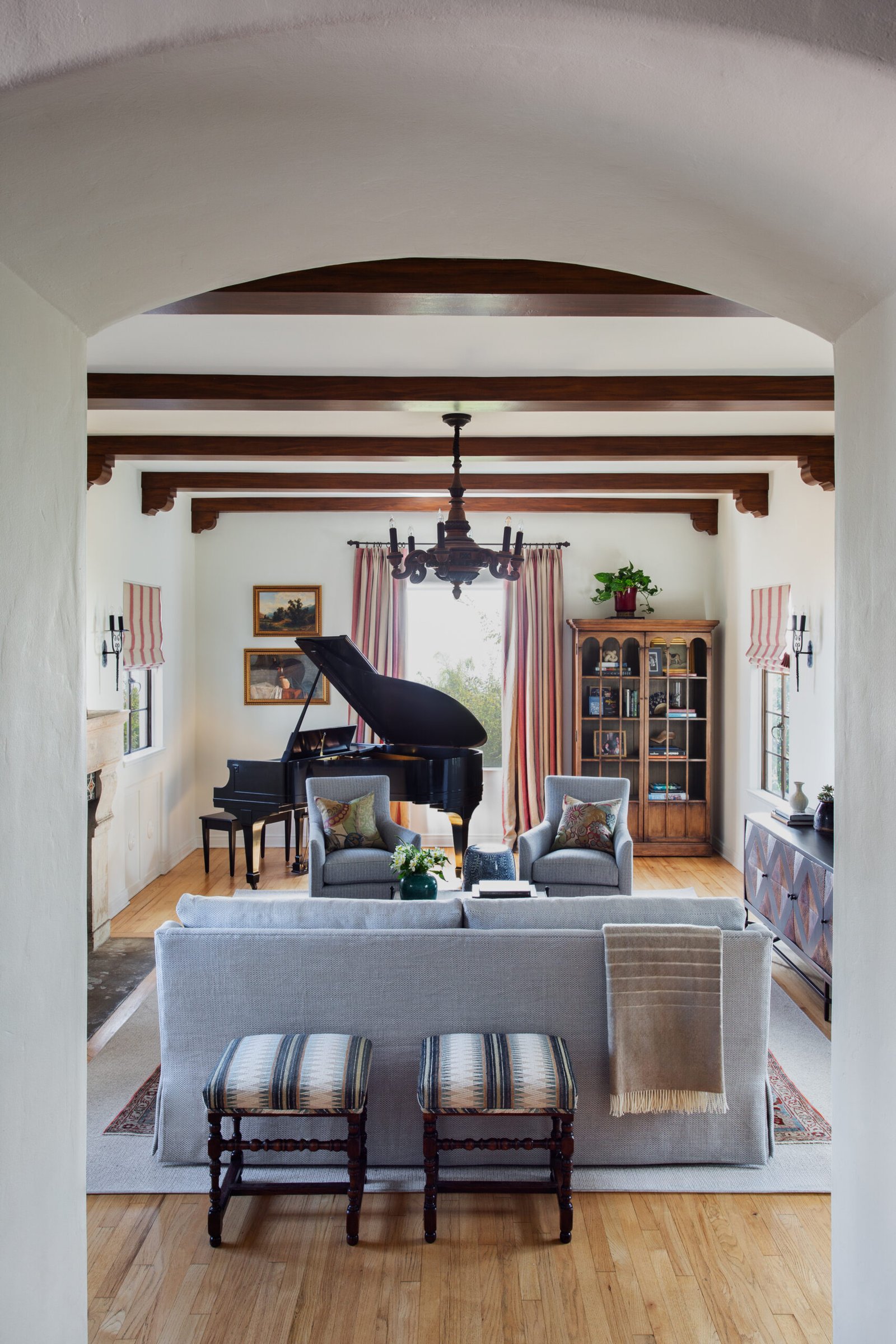
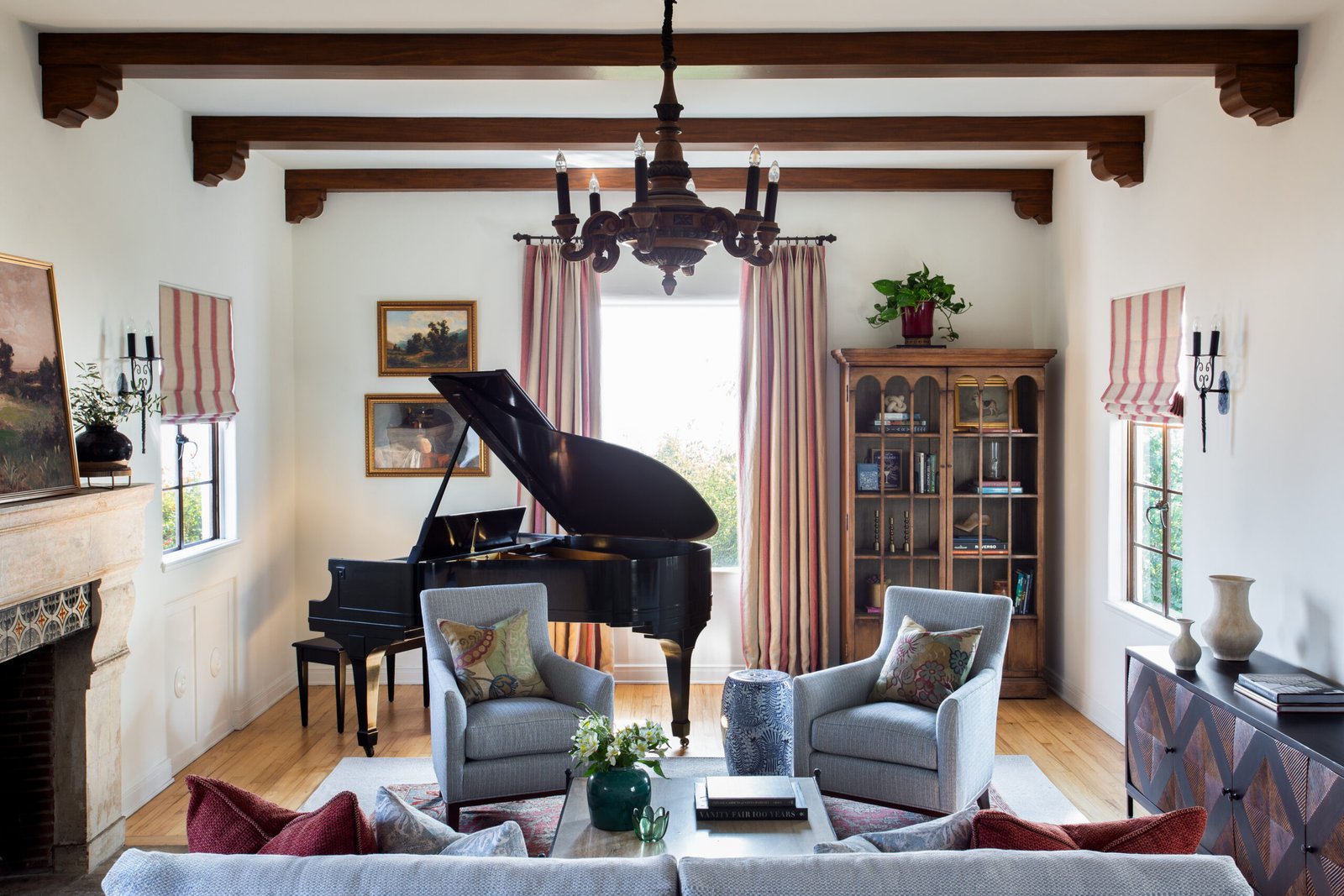
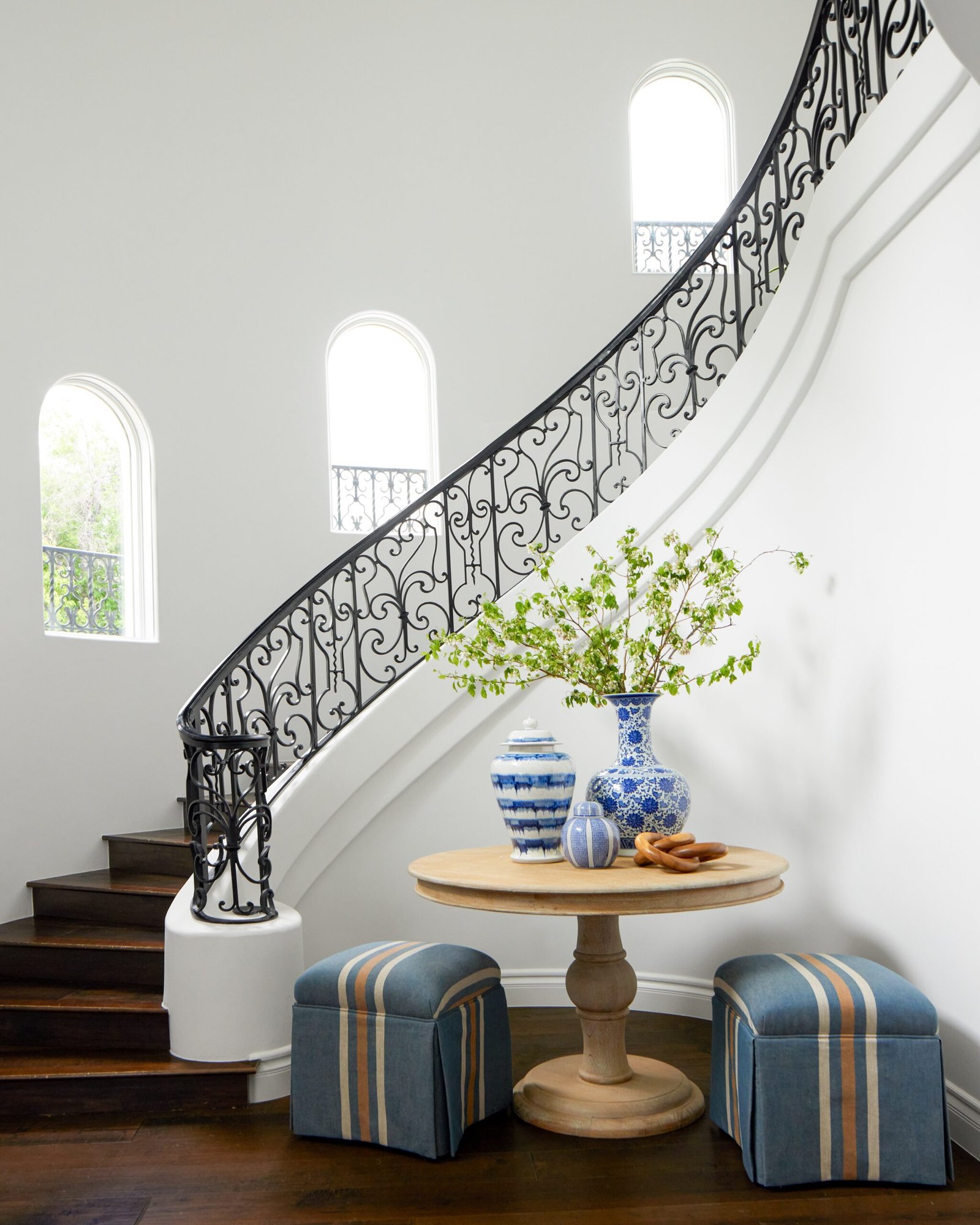
We look for a home with a clear architectural integrity. Whether it’s a Spanish Revival, Tudor, Mid-Century Modern, or a newly built residence, we want to see a sense of presence and purpose. Original arches, interesting rooflines, detailed millwork, and well-proportioned windows provide a framework that we can enhance, if need be. Character like this is difficult to create from scratch, which is why we value it so highly.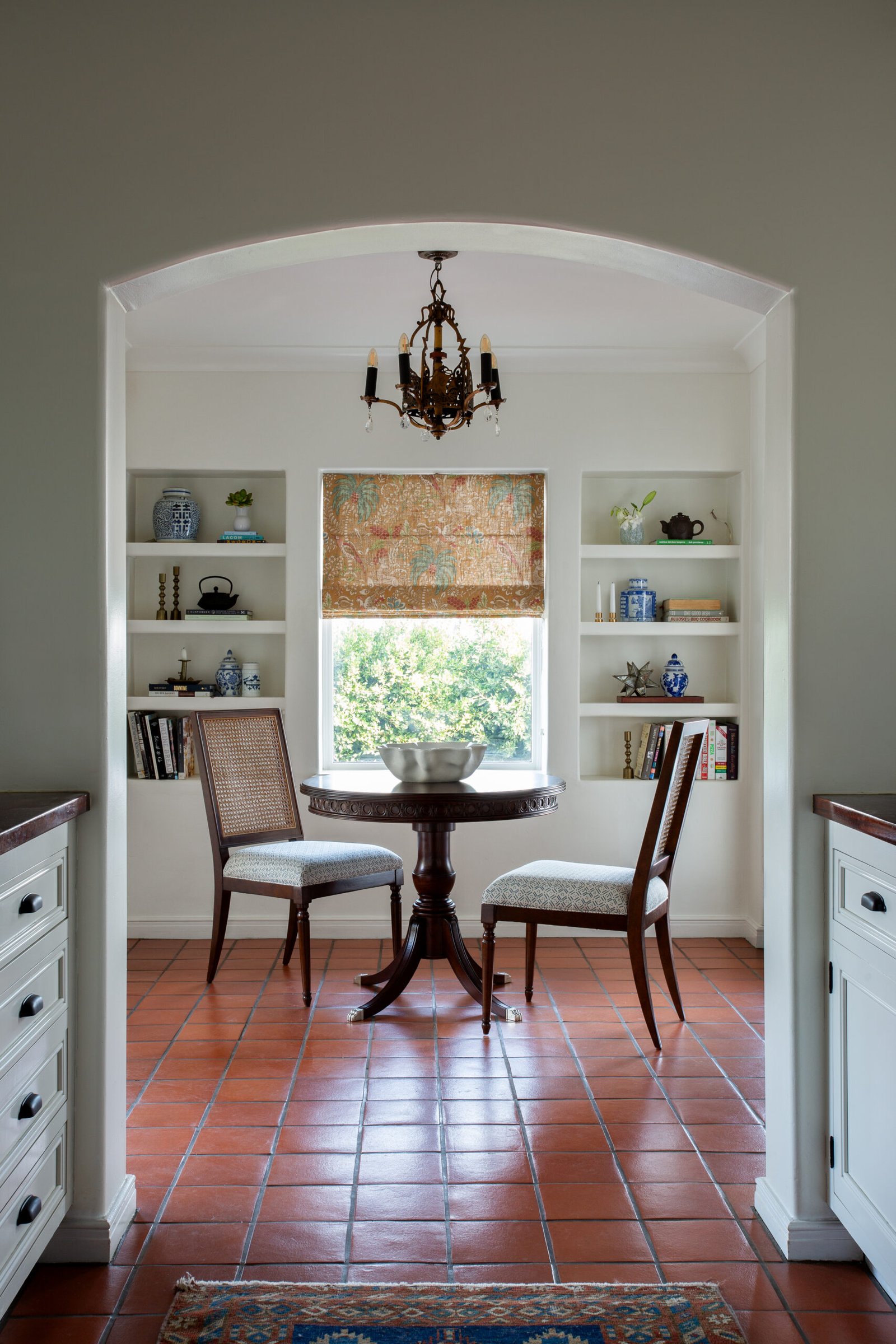
The Direction of Natural Light Throughout the Day
Light changes how we experience a home. We pay close attention to where the sun rises and sets, and how it moves through each room (especially the key gathering spaces). An exceptionally designed room won’t feel quite right if it’s perpetually dim.Thoughtful Room to Room Circulation
We evaluate how one room transitions to the next, and if the circulation supports the rhythms of daily life. Whether our client is partial to frequent hosting or more quiet solitude at home, we search for intuitive connections that feel natural and support how they wish to live in their space.Balanced Proportions and Ceiling Heights
Proportion influences comfort in ways most people don’t consciously notice. We observe ceiling heights, room dimensions, window placement, and the relationship between architectural elements to determine whether a home feels balanced. These subtleties affect details like furniture placement, and how expansive or intimate a room feels.Meaningful Connections to Outdoor Spaces
Whether framing mature trees, opening onto a garden, highlighting a panoramic mountain view, or creating seamless transitions to terraces and courtyards, we look for opportunities to strengthen the relationship between indoors and out.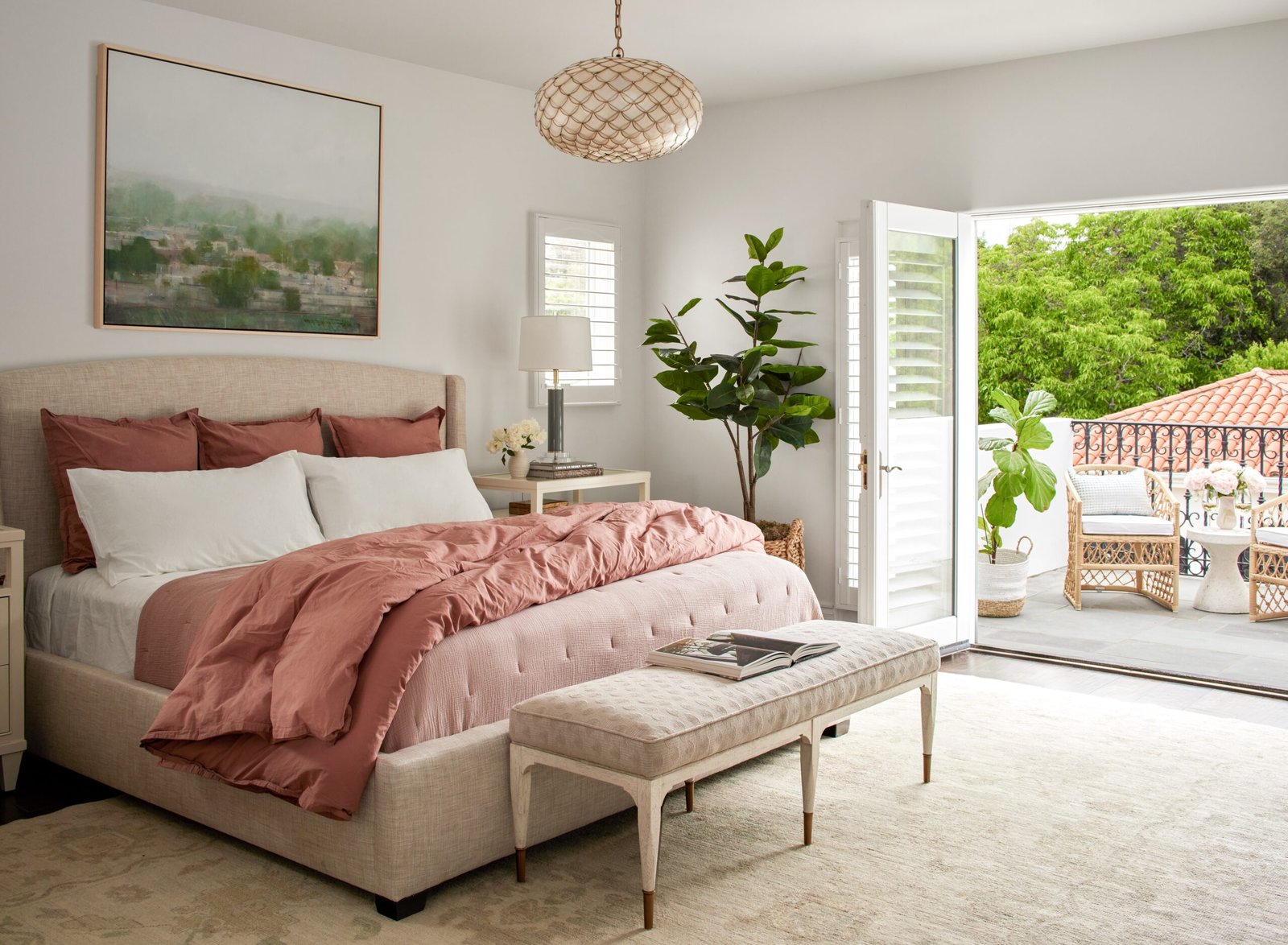
Original Details Worth Preserving
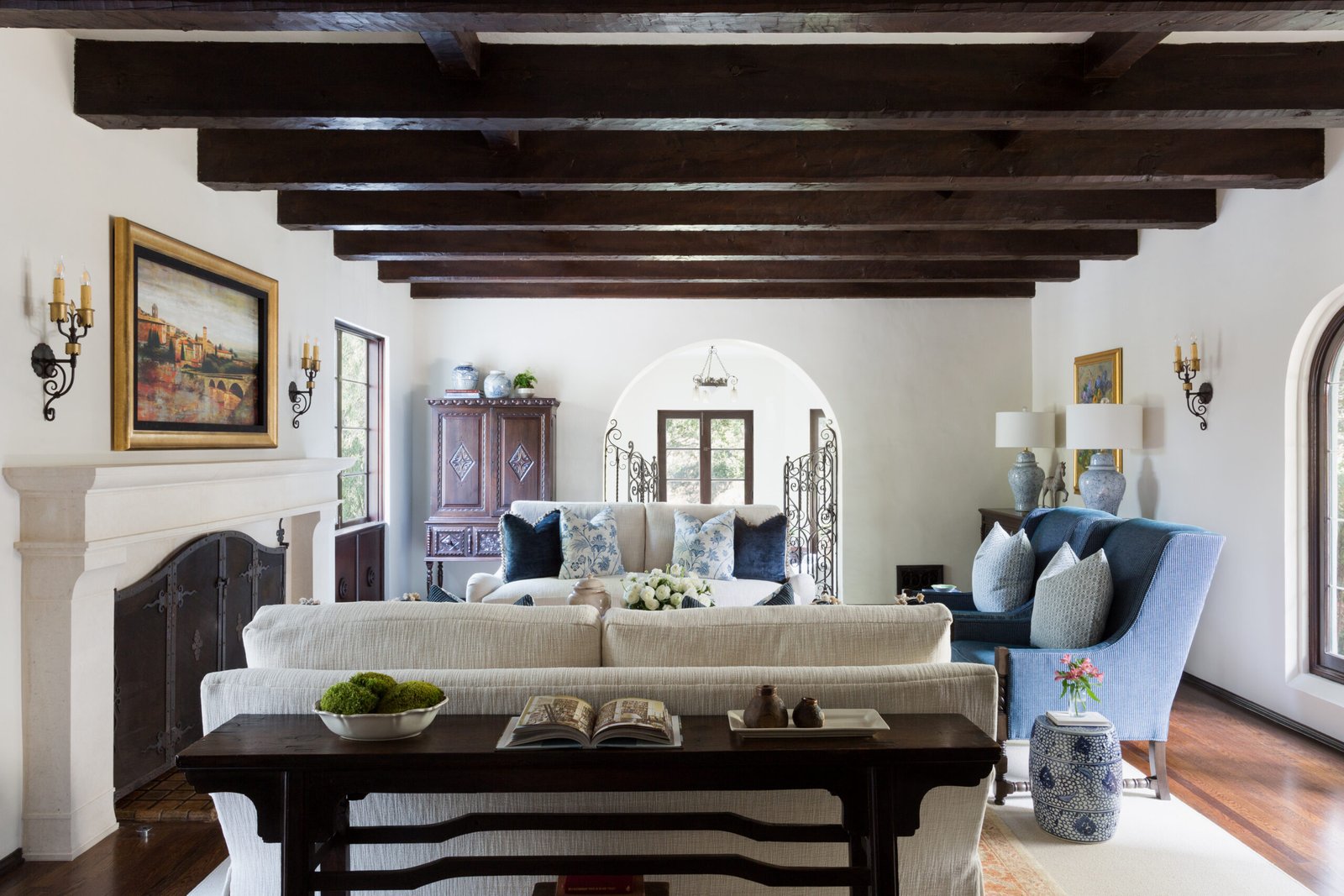
Original fireplaces, handcrafted millwork, vintage hardware, plaster details, and historic windows all contribute to a home’s story. Rather than replacing these elements unnecessarily, we look for ways to preserve and celebrate them, welcoming the home’s history into its next chapter.What Home Buyers Often Overlook
Beautiful finishes can distract from bigger issues. By viewing a home before a client pulls the trigger on a purchase, we can encourage them to reflect on the important questions. Does the existing layout support the way your family lives? Does natural light reach the spaces where you’ll spend the most time? Are the gathering zones well-connected, while private rooms feel tucked away? Do the ceiling heights and proportions create a sense of openness, or do they feel compressed? These are the decisions that influence the feeling of home years from now, long after the “new house” excitement has worn off.How to Evaluate a Home’s Potential: The Red Flags
Not every challenge is worth taking on. And we know every home has imperfections. In fact, many of our cherished projects began with homes that required major significant changes and a clear vision. But the distinction lies in understanding which challenges are opportunities, and which ones fundamentally limit a home’s potential. These red flags aren’t dealbreakers, but they’re worth the attention:Structural Constraints
Not every wall can come down, and not every room can become an open concept. We evaluate the structural framework early on to understand what’s possible before clients begin envisioning changes that may be impractical or disproportionately expensive.Awkward Circulation
We pay close attention to any unnecessary backtracking, cramped passageways, disconnected living spaces, or dead-end hallways. Yes, these can be adjusted in certain cases, but may require significant intervention.Additions That Compromise the Original Character
Many older homes have been expanded over the years, but not every addition honors the original architecture. We look for transitions that feel seamless, and whether previous renovations have strengthened or diluted a home’s character.Poor Natural Light
Natural light is far more crucial than some people realize. It highlights architectural details in a way that artificial light simply cannot, and changes how a home is experienced throughout the day. While we can supplement lighting, limited daylight is often much more difficult to overcome.Renovation Scope That Doesn't Match the Investment
Some homes require substantial renovation to realize their potential. Others demand such extensive structural work that the investment no longer makes sense alongside the home’s long-term value. Part of our role is helping clients understand when a renovation is worthwhile, and when their resources may be better invested elsewhere.Why Square Footage Isn't Everything
Bigger isn’t always better. It’s one of the biggest misconceptions we encounter in the luxury home space. Many buyers equate a home’s value with its square footage, assuming more space naturally translates to a better home. But over the years, we’ve found the opposite is true. A well-planned home of modest size will almost always outperform a sprawling one with awkward proportions and underutilized rooms. We focus on how a space resonates with daily rituals. Morning coffee by a sunny kitchen window. Children gathering around the kitchen island after school. Quiet evenings spent reading in a favorite chair. Weekend dinners with friends on the terrace. That’s why, when we walk a home, we don’t dwell on “How big is it?” Rather, “How well does it work?”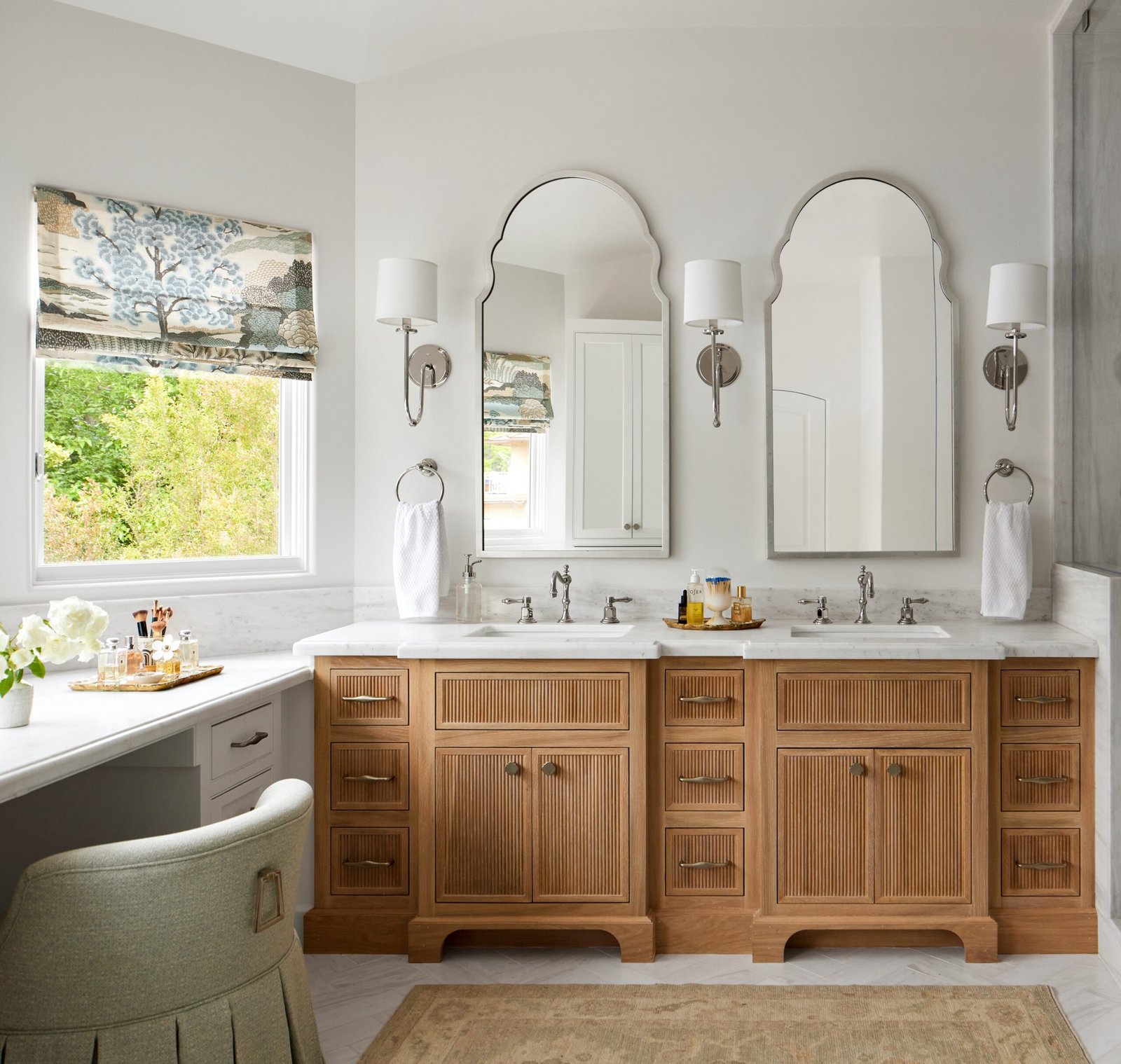
The Designer as an Advisor
For many of our clients, our work begins before they sign a contract. Like our client who won’t make an offer on a home until we’ve toured it first. That’s because he trusts us to evaluate something much deeper. When we tour a property together, we’re assessing its architecture, renovation potential, the quality of craftsmanship and natural light, and whether the layout can actually support the way our client lives. Just as importantly, we’re helping them understand where an investment will create meaningful value and where it may not fully deliver. This perspective comes from years spent studying architecture and designing homes. Countless renovations and remodels. It’s also built on something equally significant: knowing our clients. The longer we work together, the more intuitive these conversations become. We understand nuances like how they entertain guests, what they prioritize in a kitchen, the kind of functionality they need for a mudroom, or how often they enjoy spending time outdoors on their property. We understand the way they hope to live in their next chapter. So when we walk a home together, we’re not simply evaluating a property. We’re asking the crucial question, Could this become your home? If you’re curious to learn more about our services and how we can help you analyze the potential of your next home, we’d love to connect. Fill out our contact form to begin the conversation.