Historic Preservation vs. Reinvention: Finding Balance in Home Design
July 16, 2026
Historic preservation makes up a considerable amount of our project portfolio. When we approach these kinds of projects, we also assess what could be reinvented and modernized for family life as we know it today.
More often than not, there is a combination of restoration and reinvention that evolve a home to be more suitable for our clients’ needs. The real skill lies in knowing the difference between historic preservation and reinvention; understanding what should remain, what should shift, and how to create homes that feel deeply livable without erasing their history.
When it comes to renovations, the temptation is to over-correct. But the most impactful transformations actually begin with acute observation. Not demolition. Our role as the designer is to interpret what the home is asking for. What needs to evolve, and what deserves to stay.
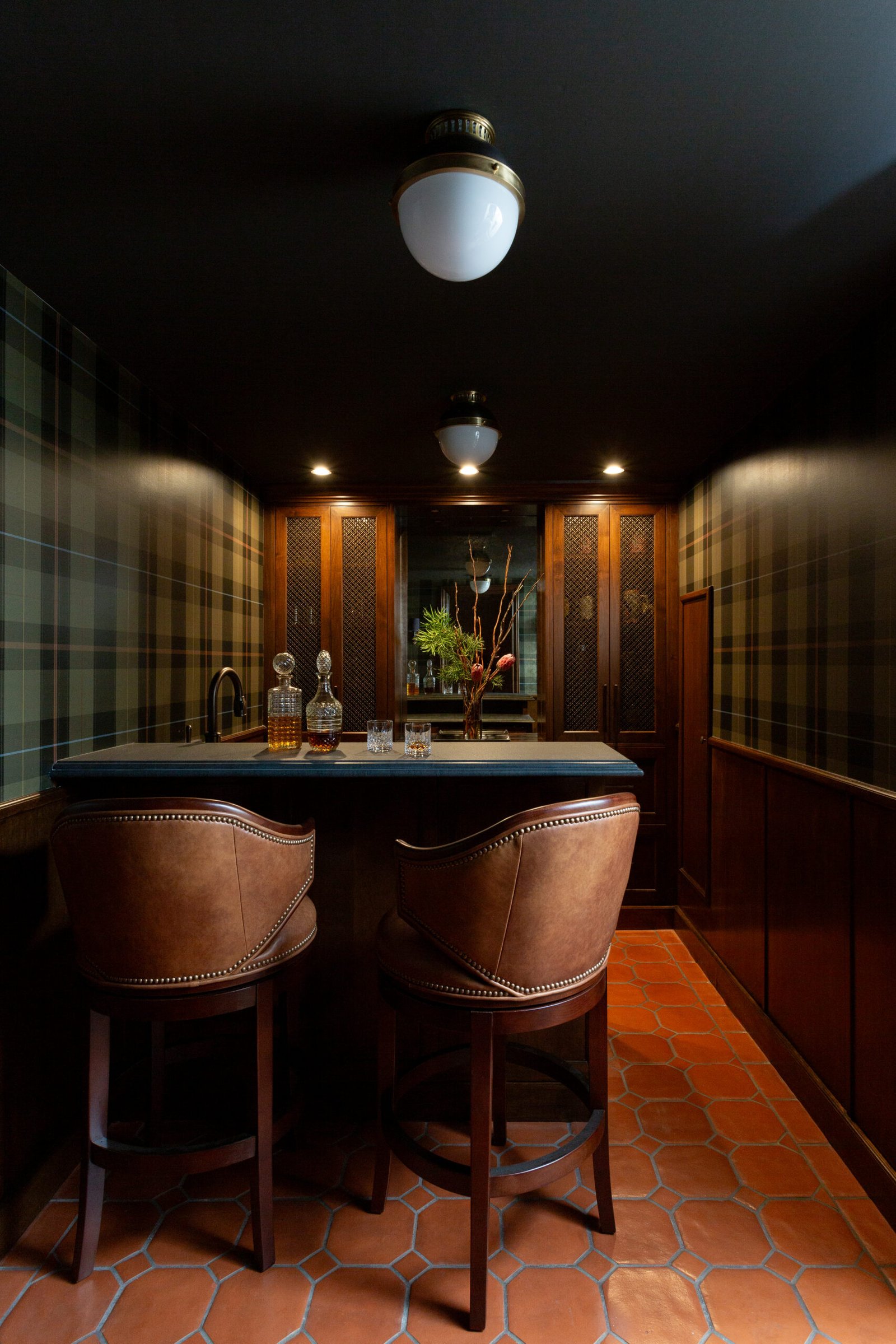
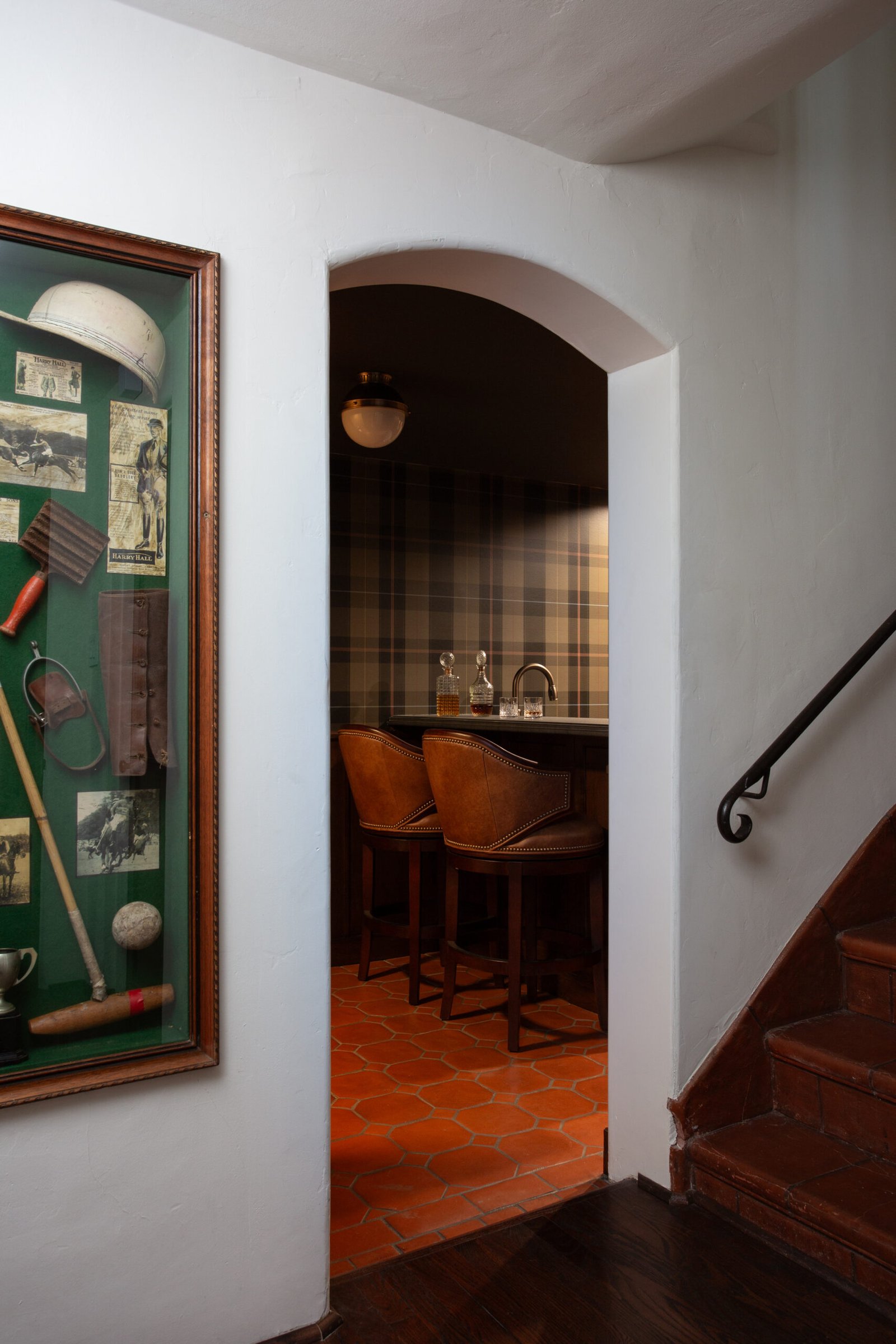 The newer interventions maintain the original home’s visual continuity, while at the same time making the space feel unique and like home for this couple.
 .
. 
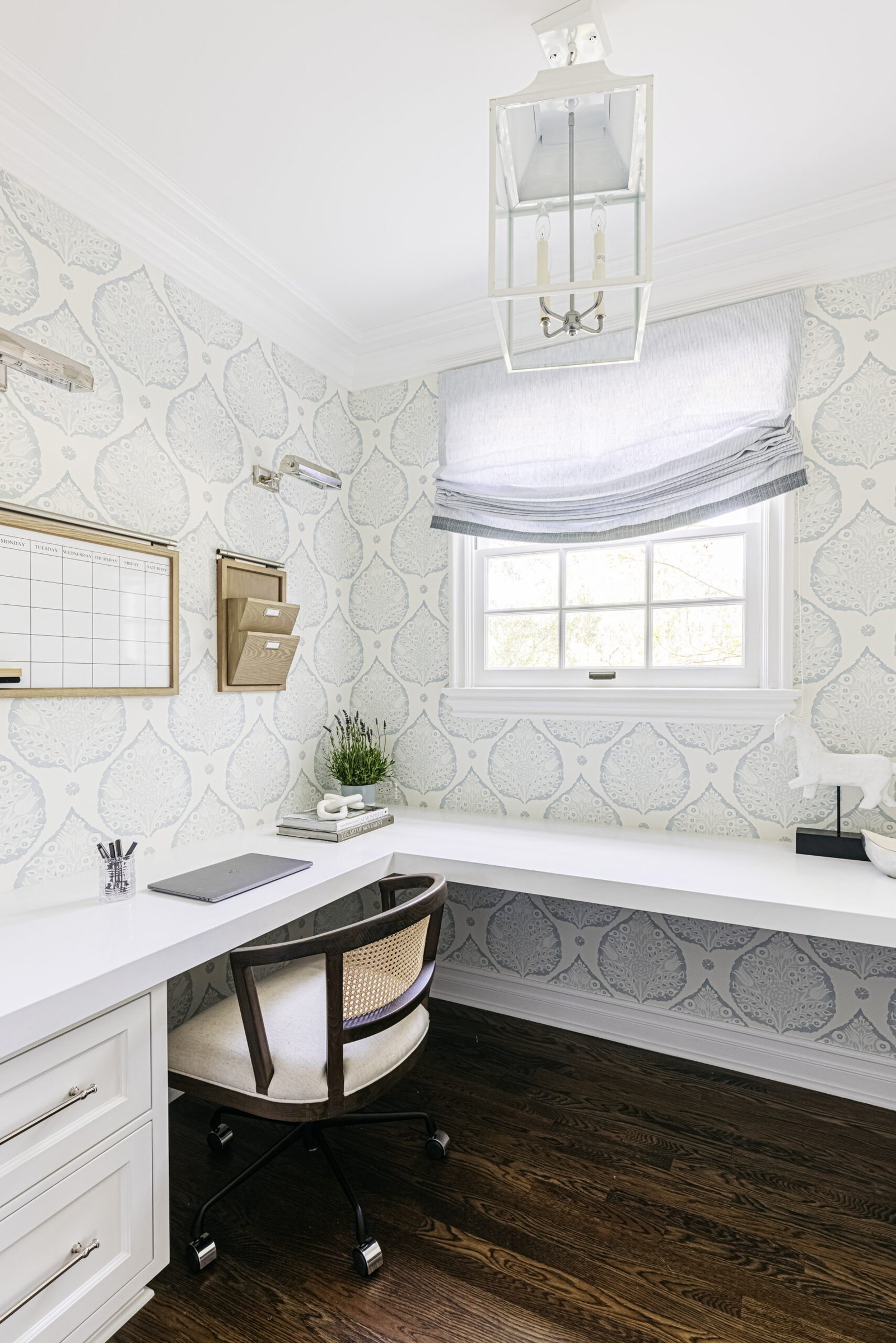 There is a special Colonial home in La Cañada that I visited often during my childhood. A few decades later, we returned to the very same home to transform it for its current owners, a young family. Designing it for a new generation felt like coming full circle; adding a new chapter to a story I already knew by heart. We made a few modern edits within the home’s historic language to bring it up to speed with contemporary living.
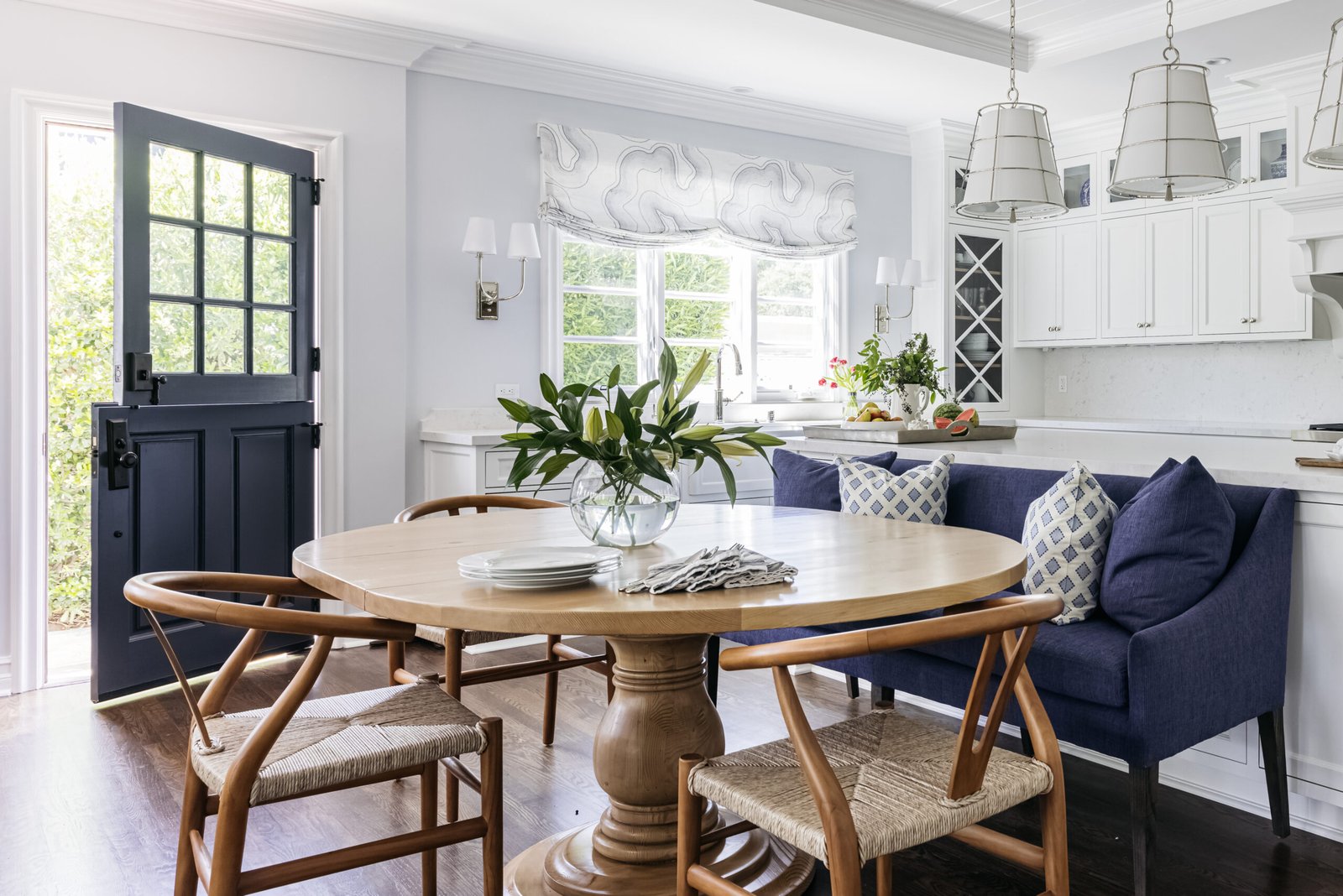
 Our clients purchased the home when they were raising their family, drawn to that rich architectural history. The original home was designed for formality, with several “special occasion” rooms that sat underutilized.
They called on us for its most recent renovation, to focus on preserving and evolving their home to better support the rhythms of their family life. Now, spaces flex seamlessly between quiet moments at home and lively gatherings with friends and family.
This project is proof that honoring the past makes the present even richer.
Our clients purchased the home when they were raising their family, drawn to that rich architectural history. The original home was designed for formality, with several “special occasion” rooms that sat underutilized.
They called on us for its most recent renovation, to focus on preserving and evolving their home to better support the rhythms of their family life. Now, spaces flex seamlessly between quiet moments at home and lively gatherings with friends and family.
This project is proof that honoring the past makes the present even richer.
The Difference Between Character and Constraint
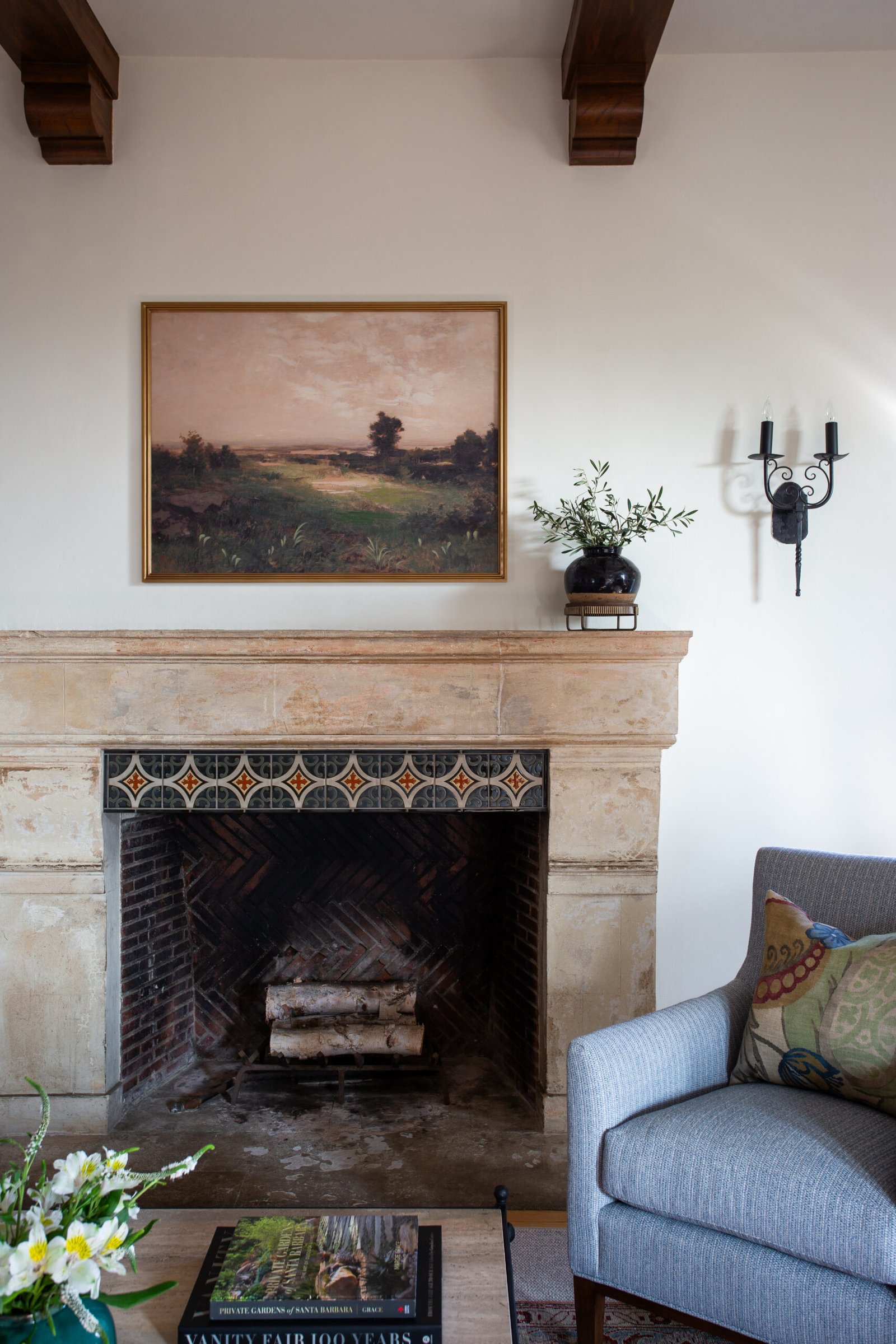
Not everything old is meaningful, and not everything new is improvement. This is a point we keep top-of-mind when we approach historic homes. During a first walk through a home, we pay attention to the architecture to identify original soulful elements worth preserving, and which elements cause unnecessary friction. Some examples of details we tend to respect or keep in tact are:- Original millwork
- Historic fireplaces
- Ceiling details
- Arched passageways
- Stonework or plaster, if in good condition
Historic Preservation is About Restraint
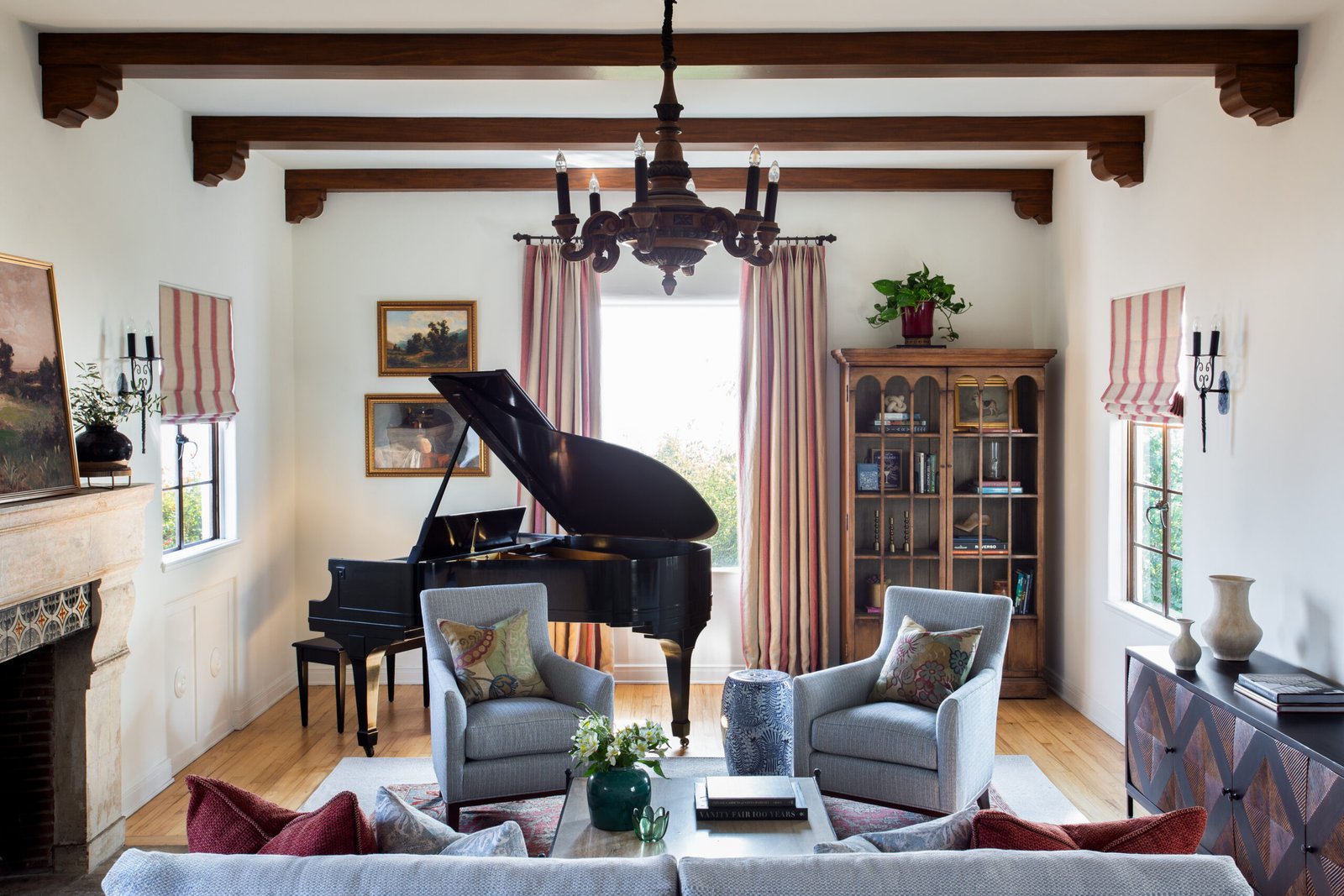
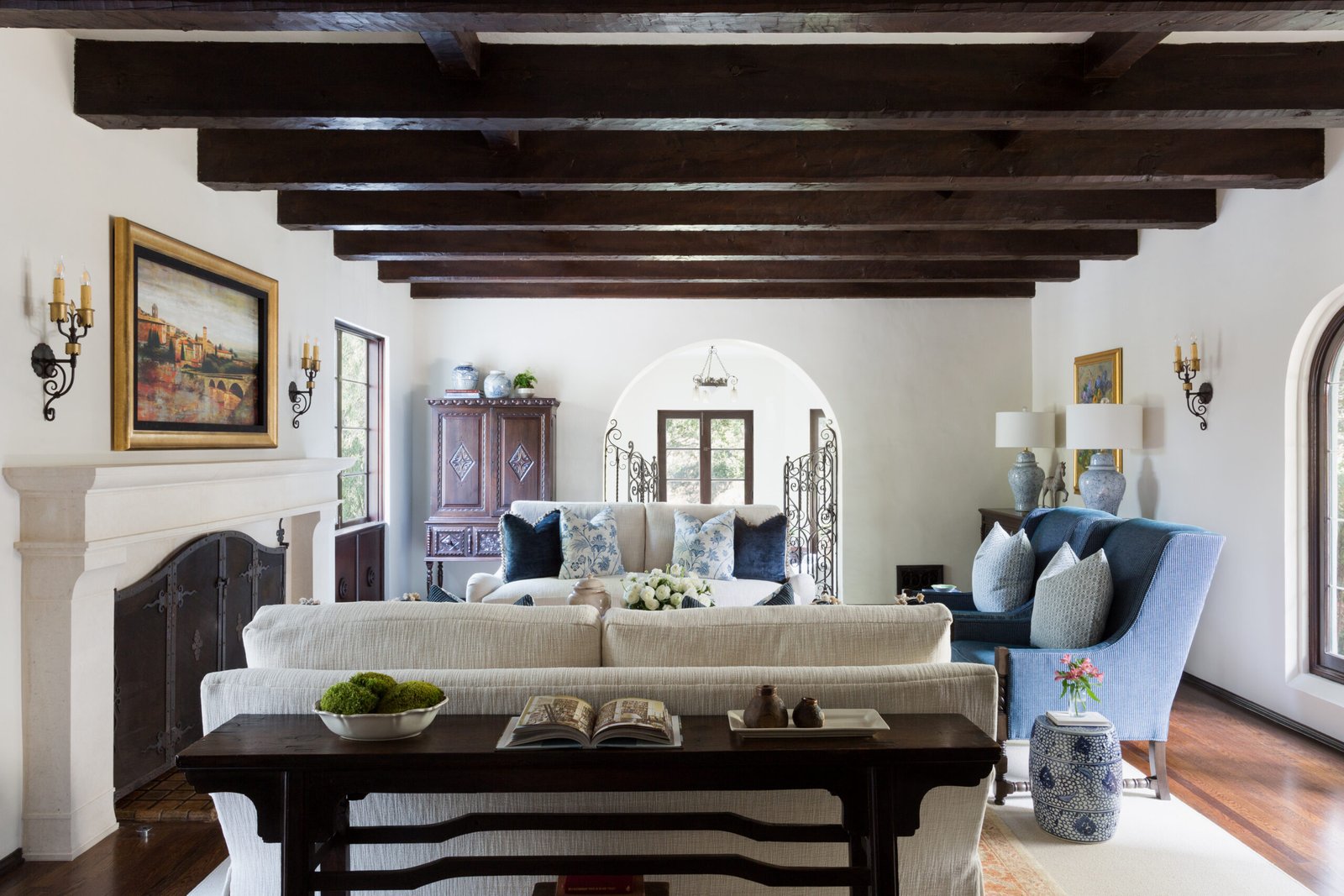
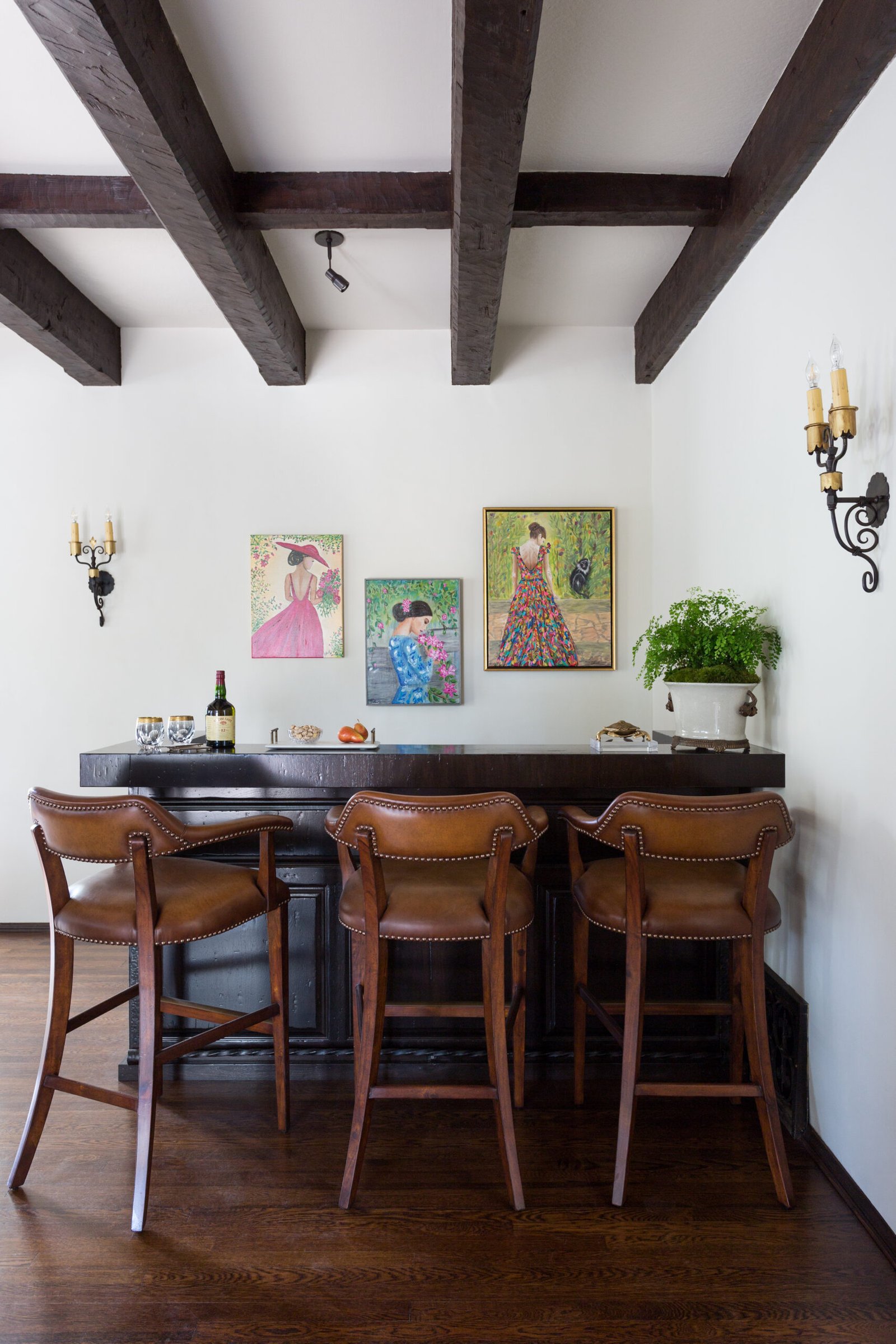
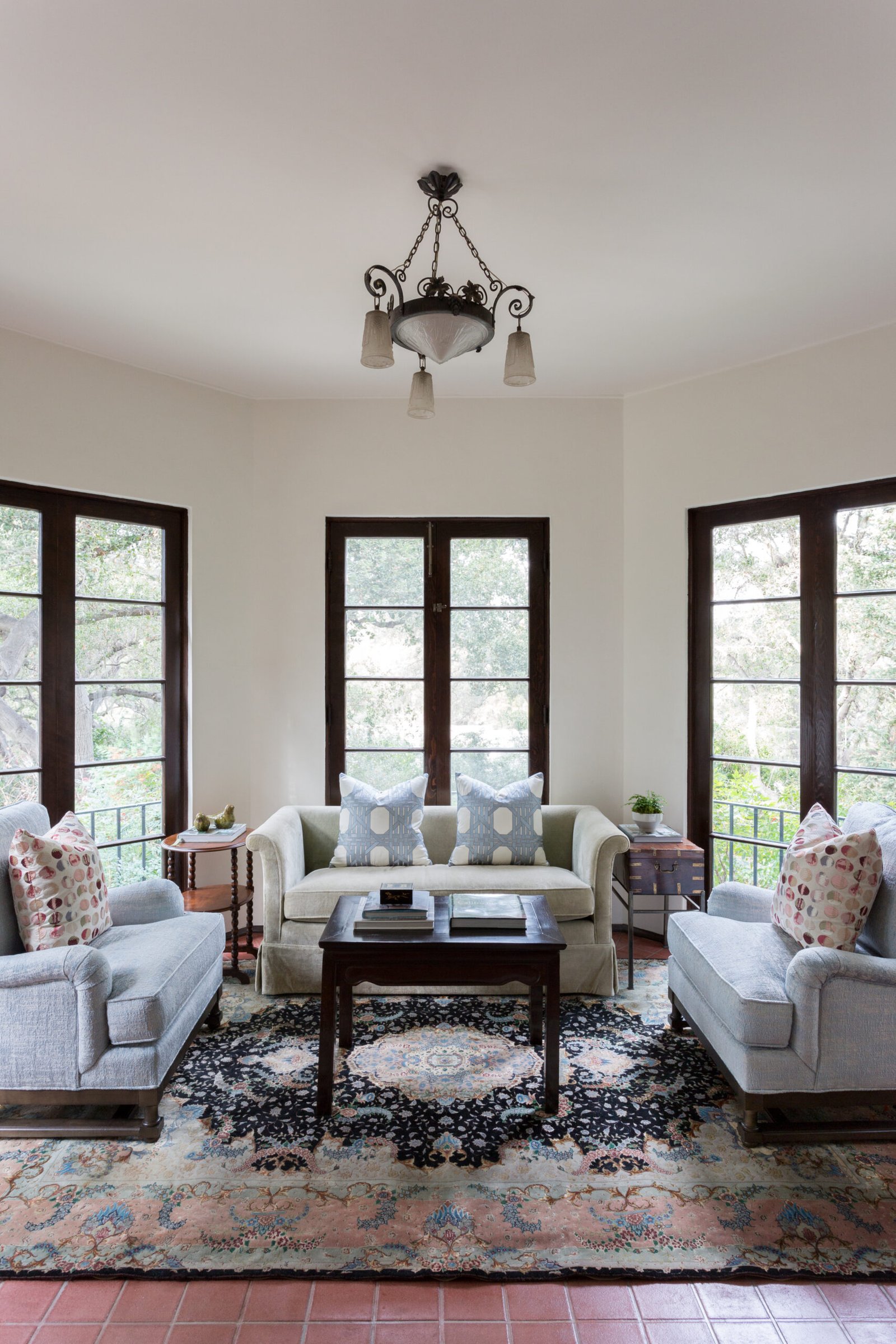
A home becomes timeless when newer updates feel inevitable rather than noticeable. Our responsibility when it comes to respecting original architecture is knowing when to stop. This means we avoid trend-driven renovations that erase identity, and instead allow original materials and details to anchor the home. Our Casa de Counsel project was a study in this kind of restraint. Our clients, two busy attorneys, reached out to our team with a request: to revitalize their Spanish Revival home without losing the soul that made it special. We preserved the terra cotta floors, wood-cased windows, and an exquisite limestone mantel. Then, our focus shifted to carefully integrating the modern functionality that they needed. Spaces for hosting and corners for quiet retreat. And perhaps the most interesting new detail, a moody, plaid-wrapped bar (a nod to our client’s Scottish roots) that’s ready for a whisky night cap.
The newer interventions maintain the original home’s visual continuity, while at the same time making the space feel unique and like home for this couple.
Where Modernization Matters Most
Historic preservation shouldn’t come at the expense of livability. Because we’re not preserving homes as museum pieces. They need to perform and feel comfortable for real daily living..
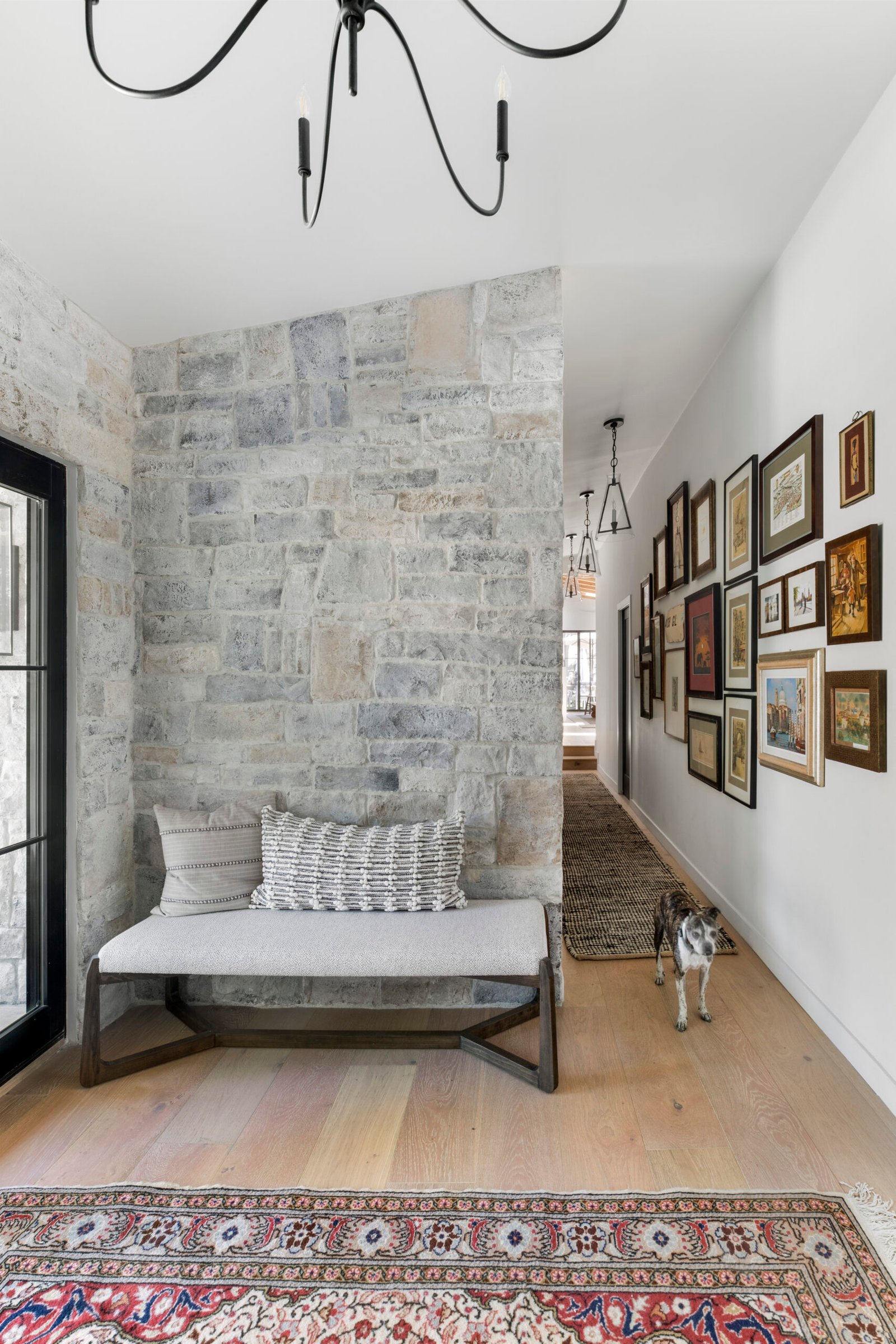
There is a special Colonial home in La Cañada that I visited often during my childhood. A few decades later, we returned to the very same home to transform it for its current owners, a young family. Designing it for a new generation felt like coming full circle; adding a new chapter to a story I already knew by heart. We made a few modern edits within the home’s historic language to bring it up to speed with contemporary living.
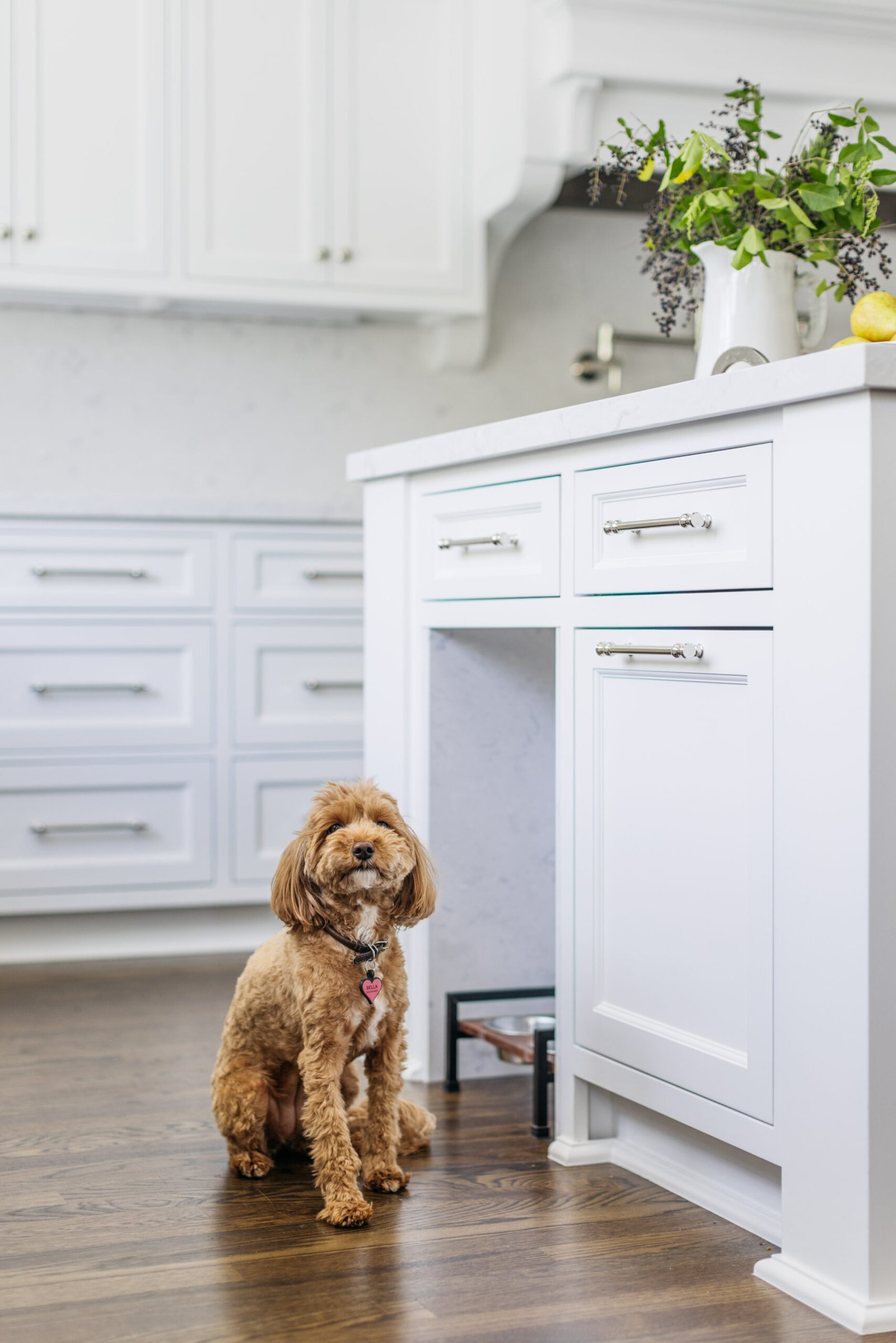
- A custom kitchen island with a built-in dog station
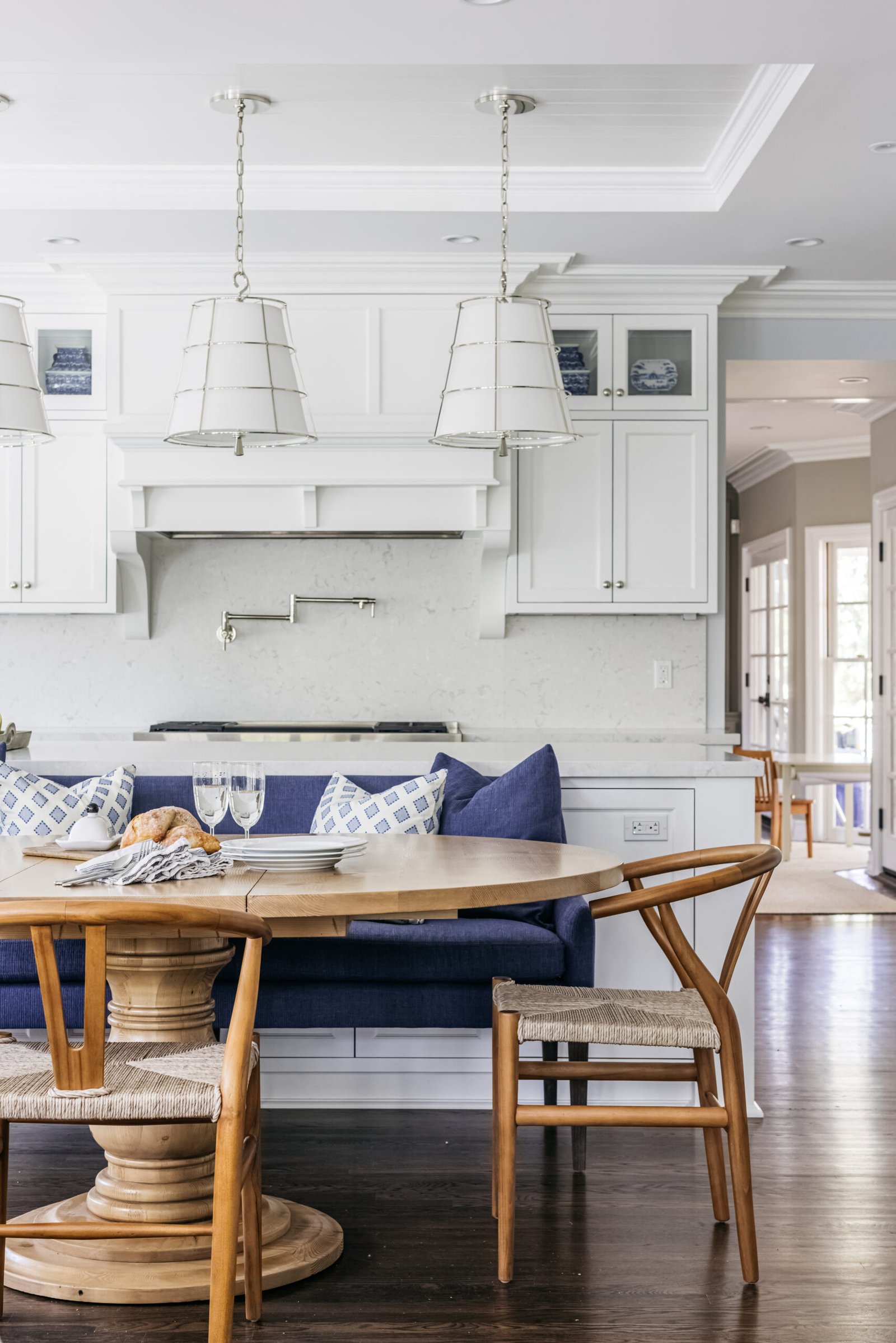
- A sunlit banquette that’s become the family’s daily gathering place
- A converted pantry that now serves as the home office
- A formal living room turned nostalgic game zone
- A hall bath with ample storage to keep up with the kids
The Emotional Weight of Historic Homes
Older homes carry memory. That soul and character permeates every detail, and the story is what draws our clients towards homes with such craftsmanship and permanence. A Flintridge home named "Wildewood Estate" is a renowned 1926 Spanish Colonial Revival that carries a long and storied history. Over the years, the estate was home to several notable residents, including civic leaders and executives. And this past April, the home celebrated its special centennial birthday. It was also recently designated the First Historically Significant Residence in La Cañada Flintridge, and represents a historically significant example of early Flintridge architecture.
Our clients purchased the home when they were raising their family, drawn to that rich architectural history. The original home was designed for formality, with several “special occasion” rooms that sat underutilized.
They called on us for its most recent renovation, to focus on preserving and evolving their home to better support the rhythms of their family life. Now, spaces flex seamlessly between quiet moments at home and lively gatherings with friends and family.
This project is proof that honoring the past makes the present even richer.
Designing with Respect
Our approach to renovations, particularly those involving historic preservation, is rooted in respect. Instead of imprinting a totally new identity onto a home, we take the time to understand what already exists and clarify it. From there, a new home evolves; one that is unique to our clients and their needs. And often, the most meaningful design decision is knowing what not to change. The best renovations of historic homes never announce their modernity. They quietly support the way we live today while feeling as though they have always belonged. → Connect with our team to inquire about a renovation. → Browse our services.