Where to Invest, Where to Simplify: Protecting Your Interior Design Investment Without Compromising Integrity
May 14, 2026
If you’ve ever reviewed your interior design budget and wondered, “Where does this actually go?” – you’re not alone.
What matters more than the size of your budget is the clarity behind how it’s allocated.
Because not every space deserves the same level of investment. The key is knowing where detail will be felt, and where simplicity won’t be missed.
When that distinction is clear from the outset, the entire process becomes clearer, more focused, more efficient, and far less prone to costly missteps.
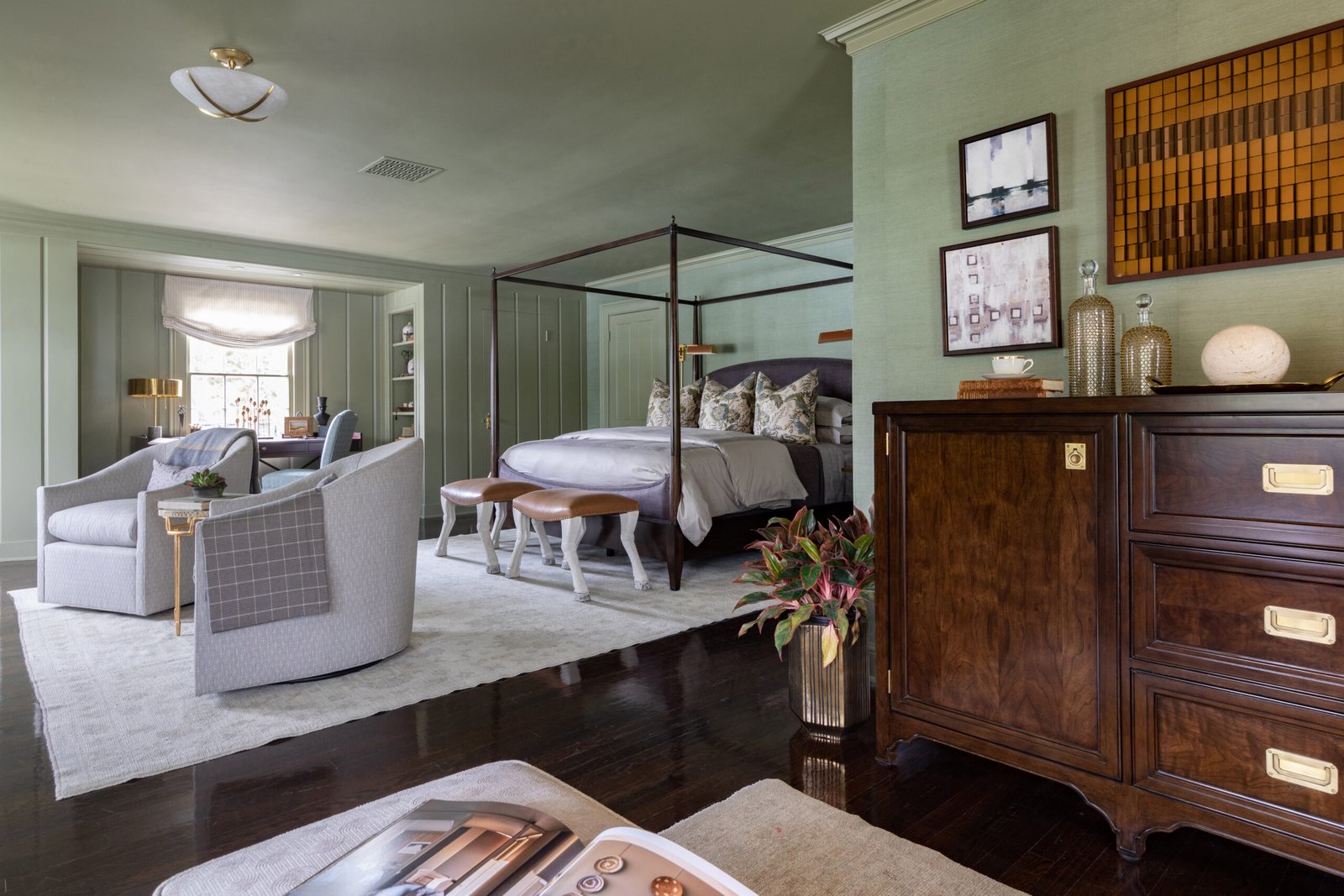
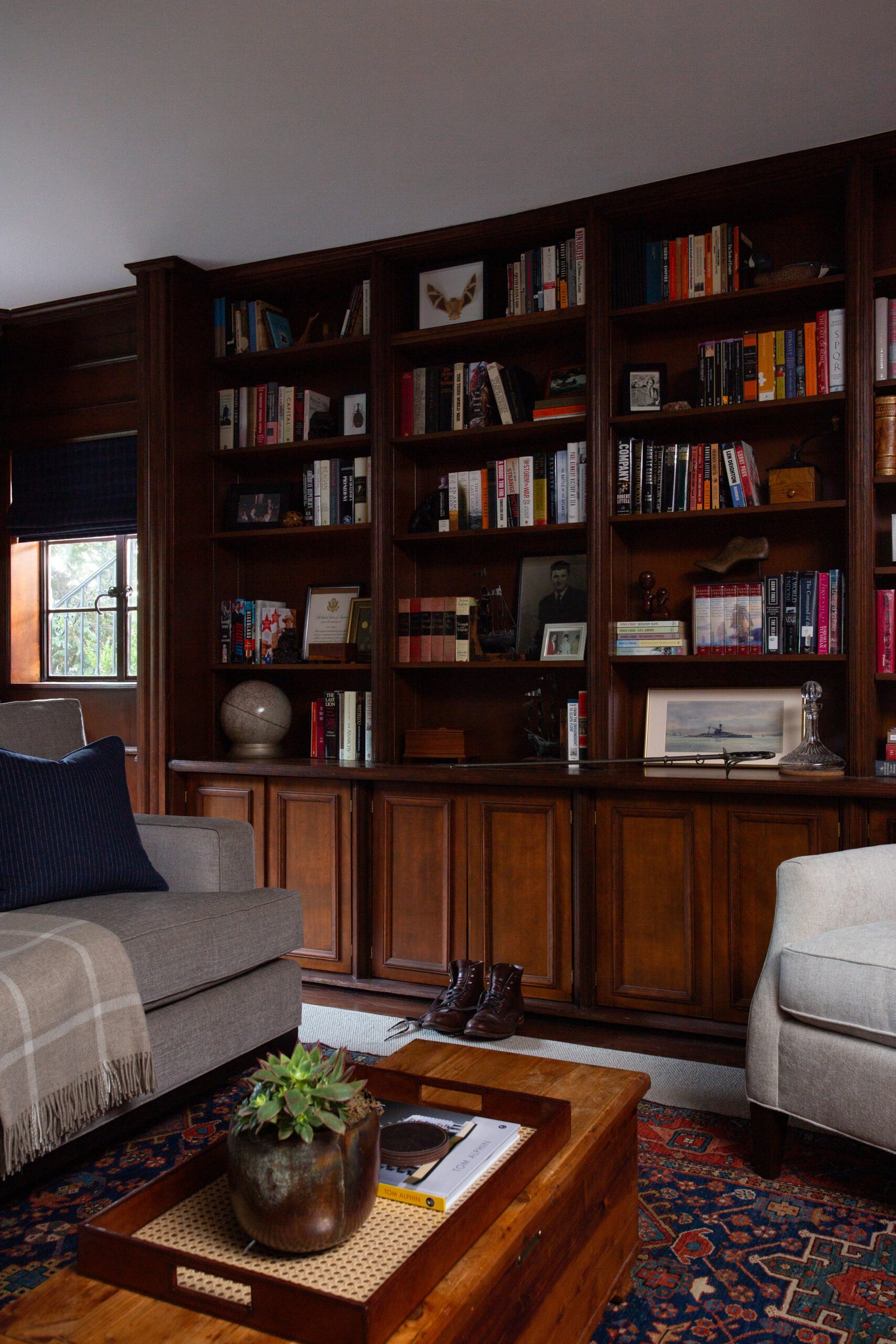
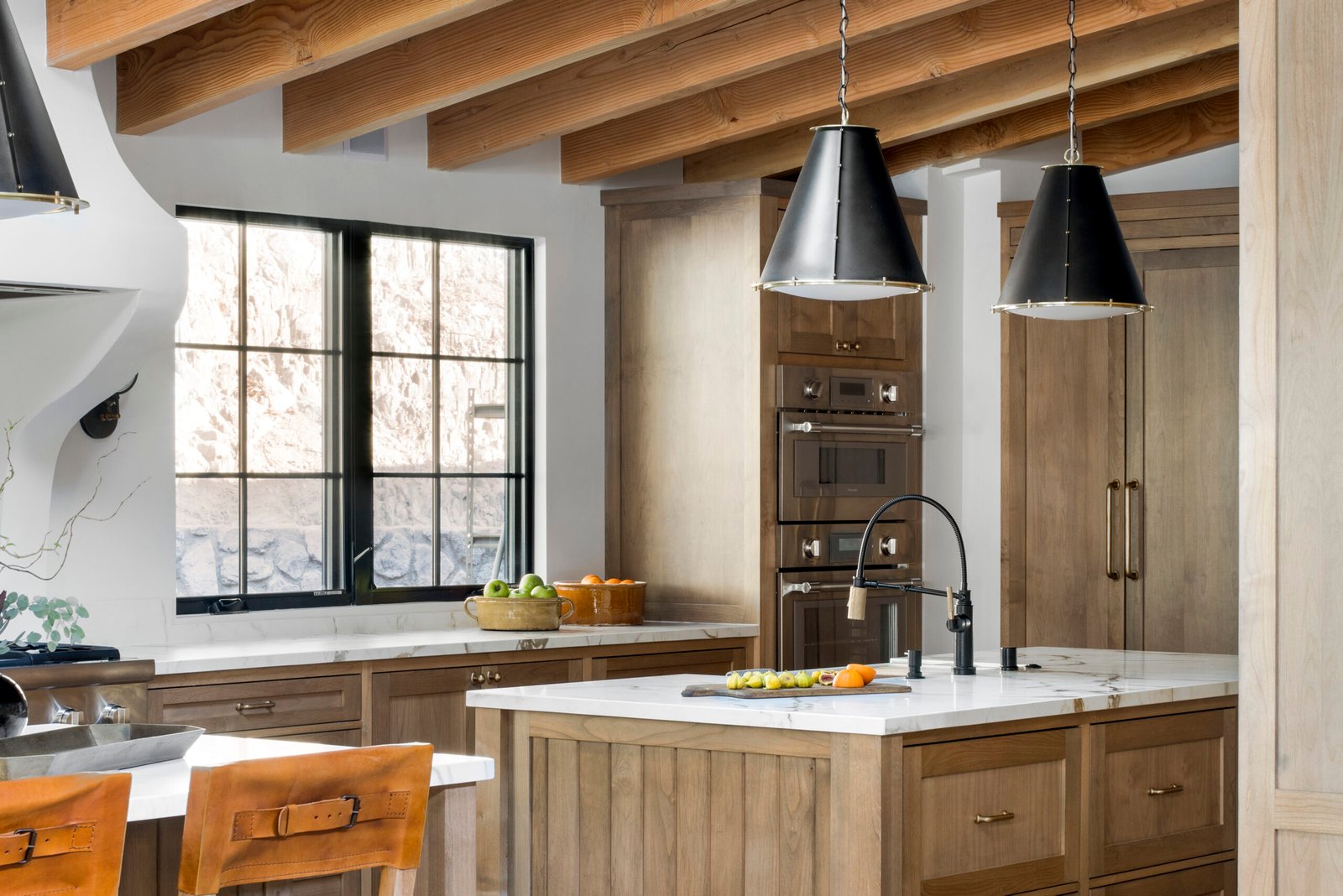
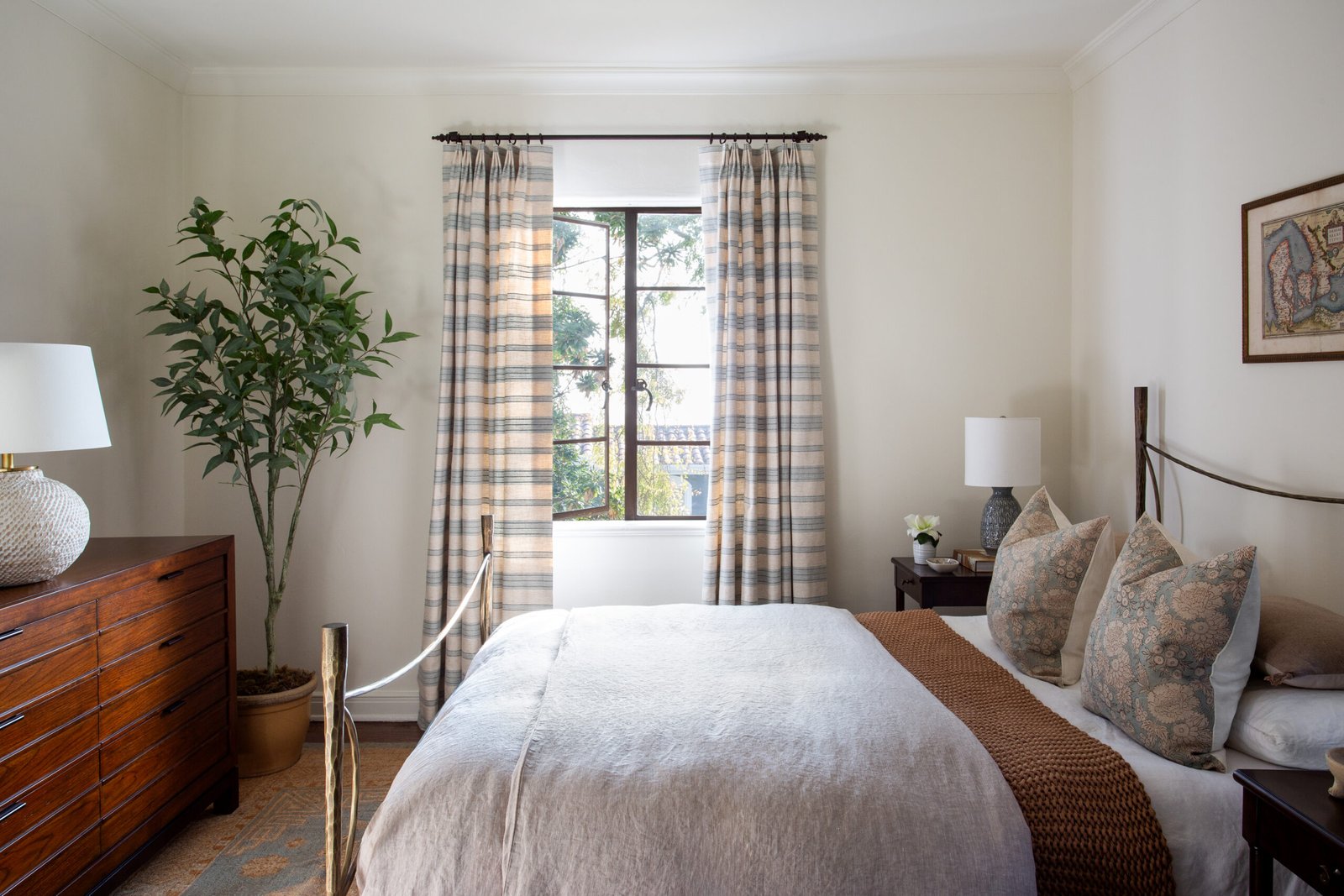
The Principle of Interior Design Investment
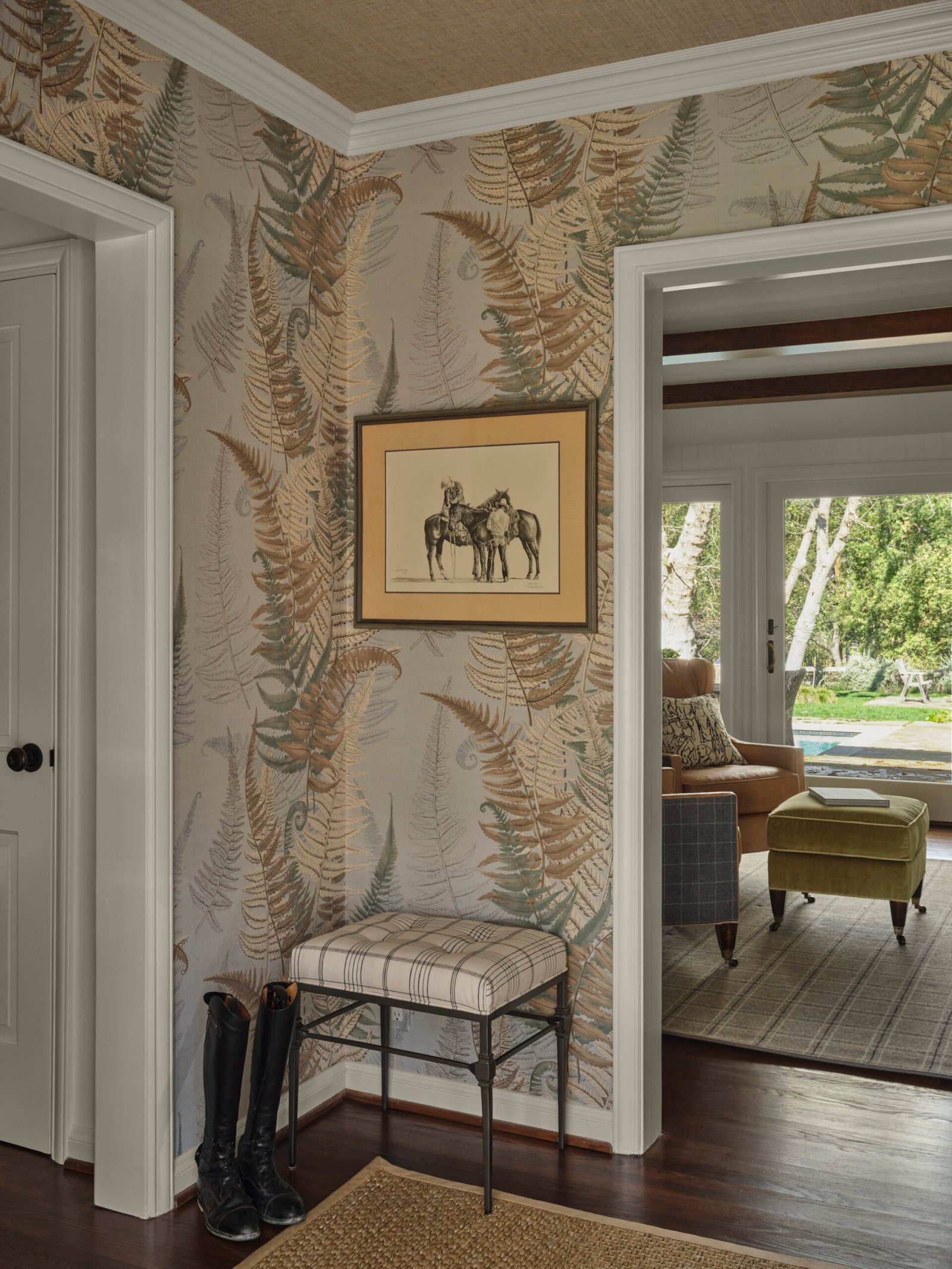
We advise our clients to follow a simple framework. → Investment should follow use. The spaces you move through daily – kitchens, living areas, mudrooms, primary suites, and the connective zones between them – carry the greatest weight. These are the rooms that shape your routines and your experience of the home. They deserve a level of intention that reflects that role. → Detail follows visibility. Not every surface needs to perform at the same level. Architectural millwork, material richness, and layered detailing should be reserved for the spaces that are seen and experienced. This is where a home builds presence. Quietly, but unmistakably. → Storage follows daily rhythm. A well-designed home supports the cadence of how you live. Where you enter, where you pause, where you gather, where you retreat. When these patterns are understood early, decisions around layout, materials, and functionality begin to align naturally. This reduces friction in ways that are felt every day, even if they’re not explicitly noticed. Knowing where to invest versus where to simplify brings clarity to a design project. And with that clarity, a home begins to form with intention rather than in excess. Every decision reinforces the whole, and nothing feels awkward or unnecessary.
Invest in Public, High-Impact Spaces
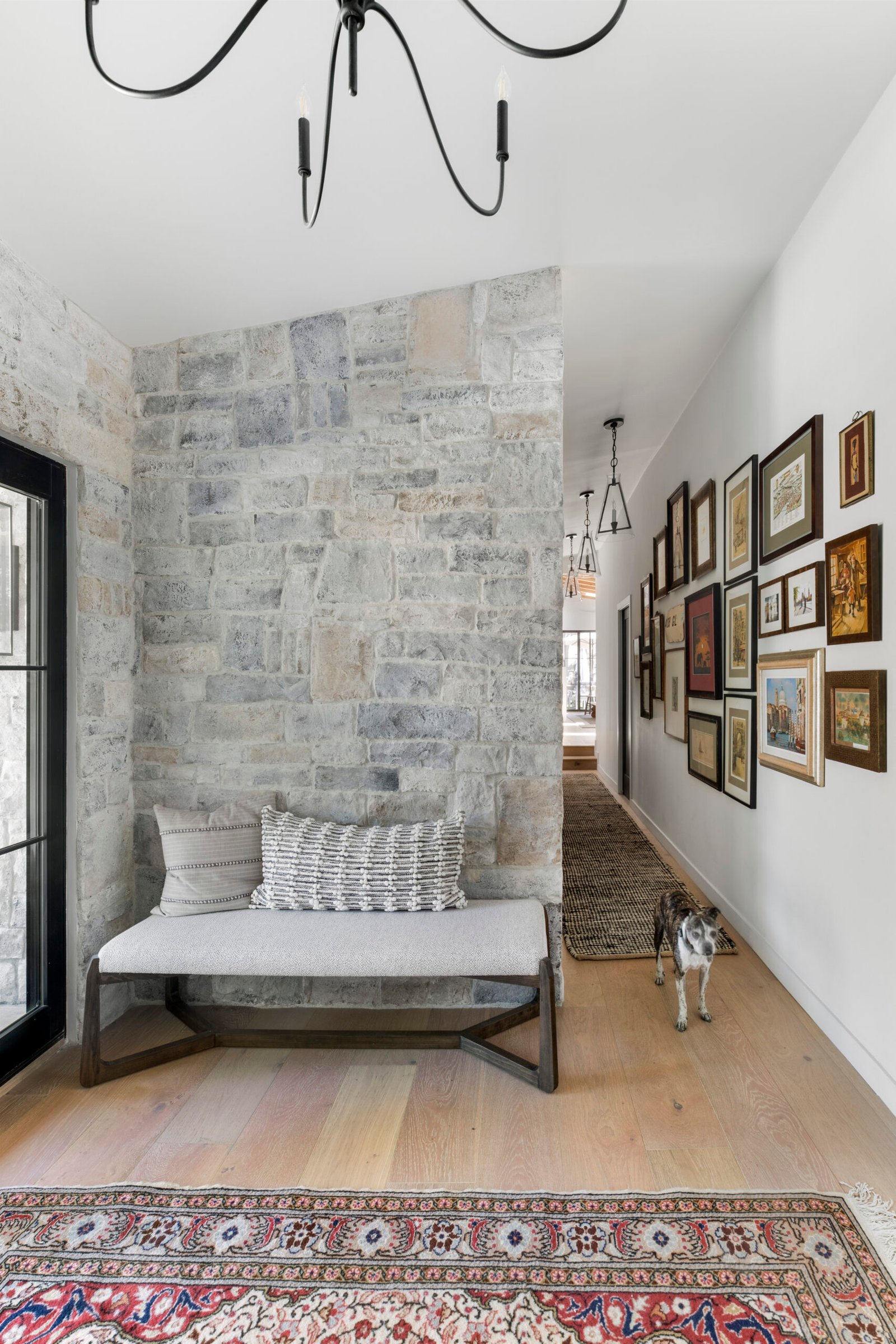
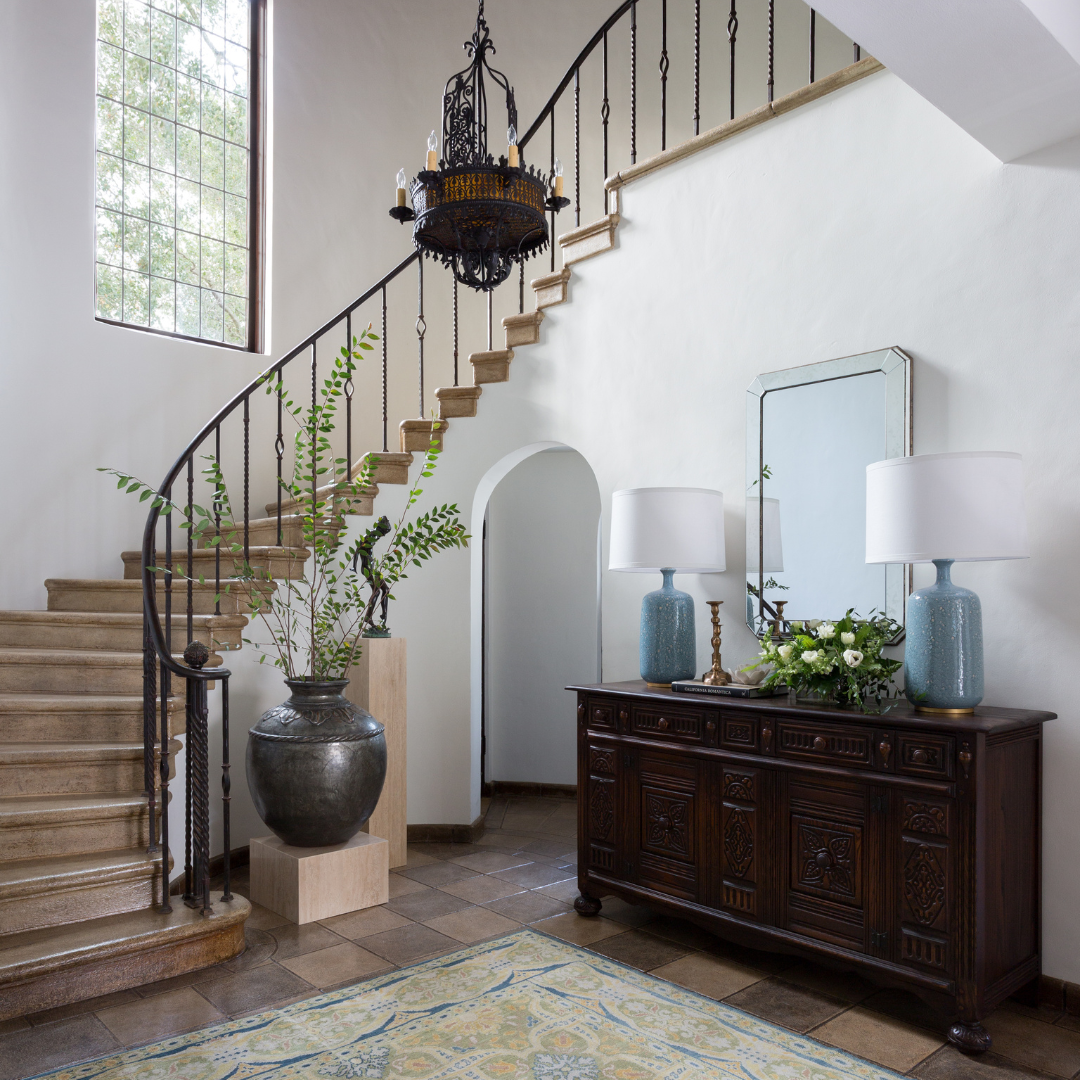
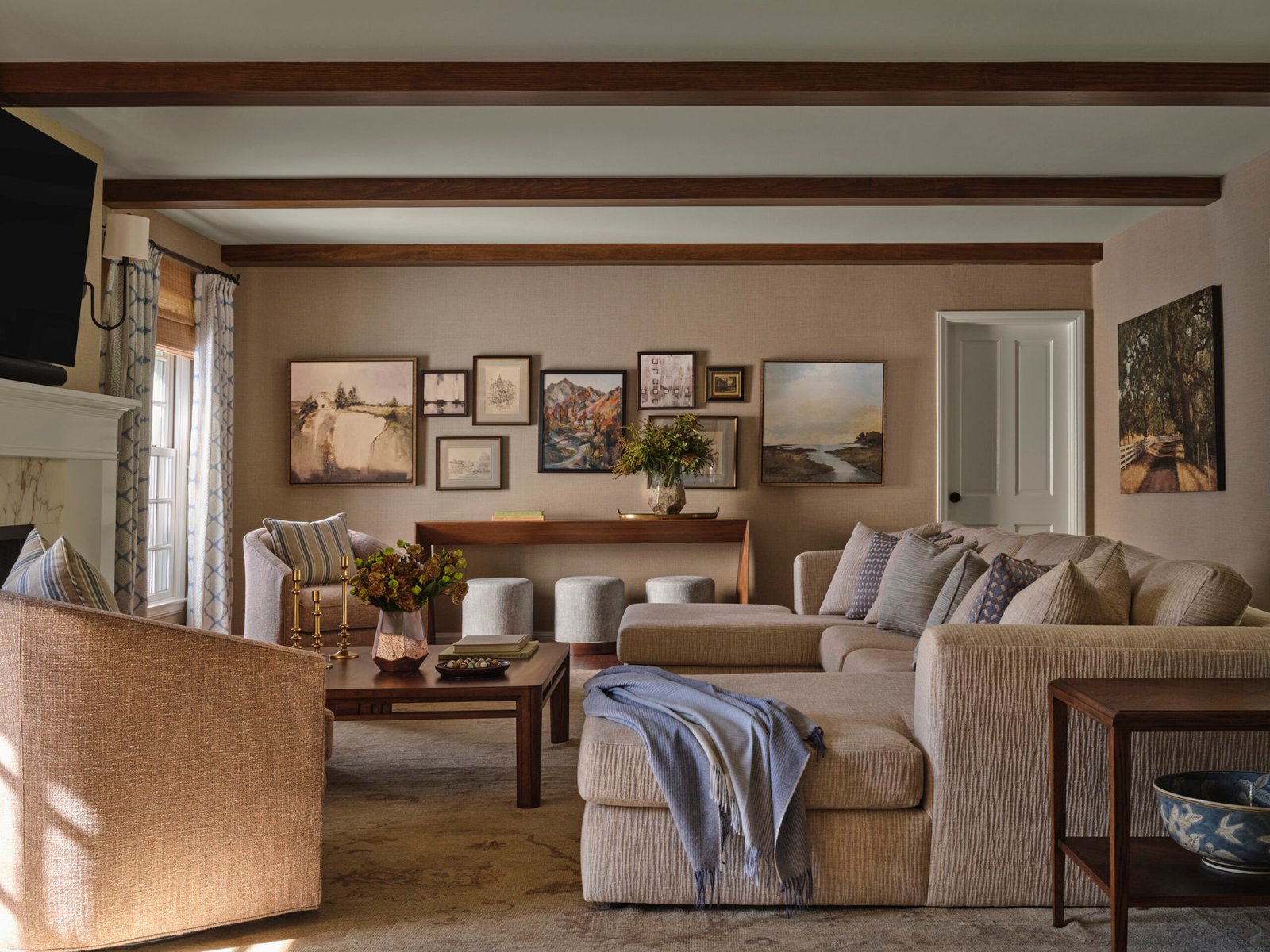
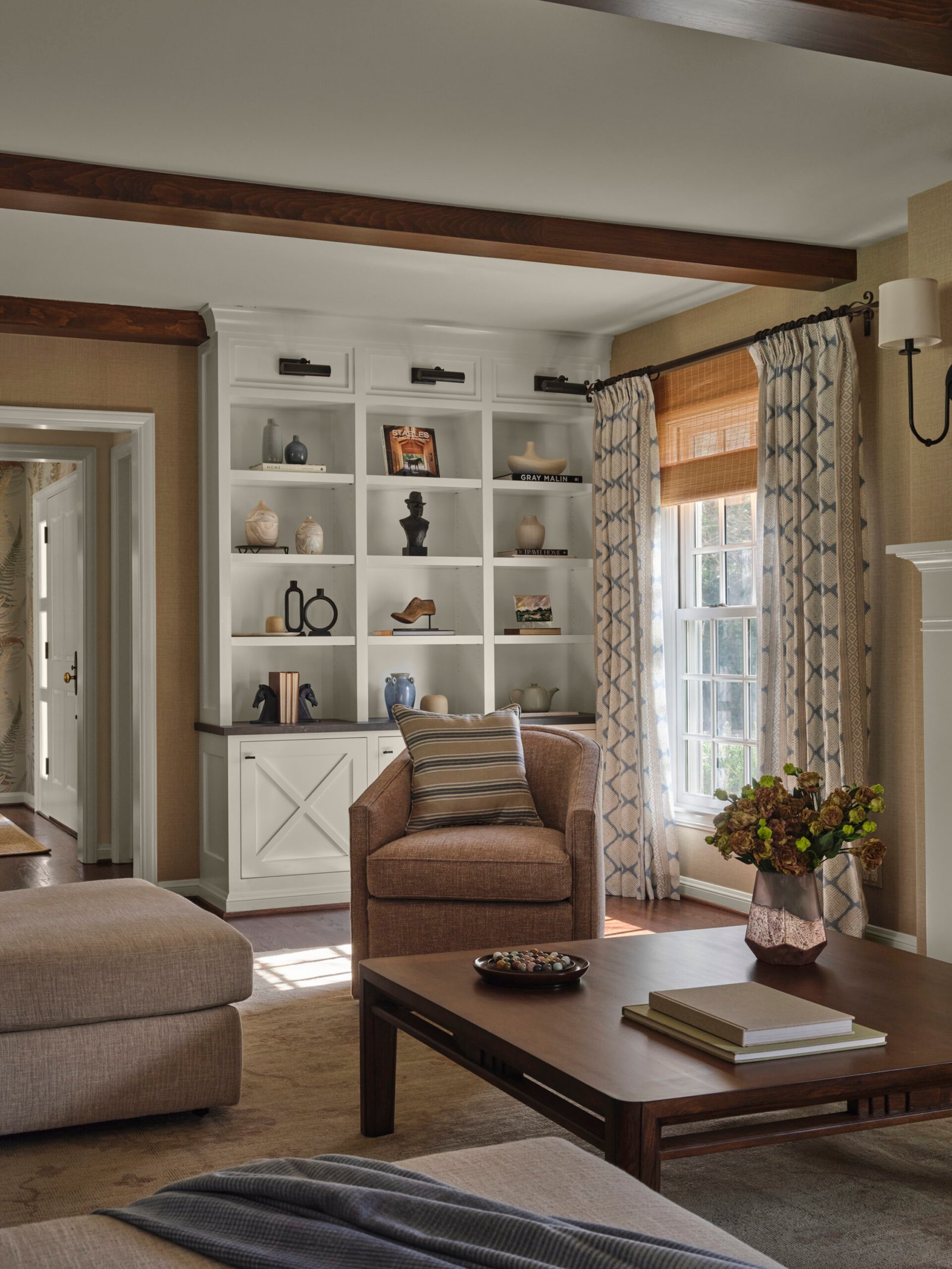
These areas define the home’s identity and leave a lasting impression. They’re the first rooms that people see when they walk through the door, and they’re where you’ll be spending the most time hosting others. They’re the rooms that everyone will remember. Namely, that’s the:- Living room
- Entryway
- Kitchen
- Dining area
- Powder bath
Where to allocate your interior design investment in these areas:
Architectural Millwork Crisp wainscoting that creates symmetry along the walls. A dramatic staircase with a detailed banister and treads. Living room built-ins that showcase precious books and mementos. Ornate fireplace mantels that anchor a cozy lounge. Ceiling and Trim Details Ceiling medallions in a historic home. Coffered ceilings that create depth and expansion overhead. Window casings that frame the outdoors. Crown molding that draws the eye upward. Intentional Sightlines The view that a guest has when they see across the threshold, through the entryway, and into a beautifully designed living space. Framing natural views with architectural elements, like a large set of windows or French doors. Or, an open-concept layout that prioritizes connection between the kitchen and living area. High-Quality Materials We also focus on materials that age gracefully. Natural stone like marble and quartzite. Solid, hardwoods like teak and walnut. Metals that patinate over time, like copper and unlacquered brass. Durable materials for outdoor areas, like high-grade travertine and granite paving. These are the elements that write the story of your home’s character.
Invest in High-Use, Daily-Life Spaces
It’s where you cook or unload the groceries, do laundry, get dressed, and work from home. These spaces directly impact how a home functions every day. A hallmark of a quietly luxurious home is one that’s well-appointed and frictionless. Namely, that’s the:- Mudroom + laundry
- Primary closet
- Home office
- Kitchen pantries + cabinetry
Where to allocate your interior design investment in these areas:
Built-Ins and Concealed Cabinetry Custom built-ins create valuable space where you need it most. Benches in the mudroom for putting on or taking off shoes. Cabinets and pocket doors in the laundry room that neatly stow away cleaning supplies. Bespoke kitchen cabinetry and drawers keep cooking essentials within reach, right when you need them. Durable Materials These are often the high-quality materials that we discussed earlier in this post. In the kitchen and bathroom, quartz and quartzite are hard and strong, making them less likely to scratch and chip, yet easy to maintain. Choosing materials that wear well means you invest one time, and benefit for years. Longevity in materials reduces replacement costs, maintenance fatigue, and visual wear over time. That means a higher ROI on your initial investment.
Simplify in Low-Visibility, Low-Use Spaces
Not every space is meant to carry the same weight. Areas that are used infrequently or sit outside the daily rhythm of the home are where we recommend a more restrained approach. This isn’t about cutting corners, but designing with clarity and intention. Typically, this includes:- Guest bedrooms
- Second homes or seasonal residences
- Back-of-house utility areas
Restrain your interior design investment by implementing:
Refined, Essential Finishes Materials should still feel thoughtful and cohesive, but not overly layered. A guest room or weekend home does not require the same level of investment as a primary living space. Simplified Millwork and Detailing Where infrequent storage or utility is the focus, clean and straightforward solutions are often the most effective. Durability and ease take precedence over intricacy. In these cases, we advise designing for actual use, not how it might be imagined.
The Hidden Cost of Misplaced Interior Design Investment
Without clear allocation of your investment, a few things can accidentally happen. You might over-invest in unseen areas, or under-invest in higher-impact rooms. This can lead to mismatched finishes across spaces and budget creep from reactive decisions. It’s rarely one large, irreversible mistake; rather a series of small misallocations (and missed opportunities). These aren’t detrimental to your home, but can cause headaches down the line.Design Leadership: The Role of the Designer
Our role as designers is to make sure you allocate your budget wisely. At Coco Maison, a large part of our Lived In™ process deals with just that. We guide investment decisions early, after establishing your budget parameters. We then align architecture, materials, and use to prevent any semblance of second-guessing or regret. Early planning is the key to a clear, cohesive design process.
Investment Clarity Matters
Luxury, at its core, is about intention over excess. A well-considered home reflects clarity – knowing where to invest, where to simplify, and how each decision contributes to something lasting. If you’re at the beginning of a renovation or new build, this is where design leadership begins – with thoughtful decisions that protect both the vision and the investment. → Explore our services. → Begin a project inquiry.