Early Decisions Matter Most: Why Design Leadership Should Start at Day One
April 14, 2026
Most people assume design begins with the visible layers.
Paint colors. Furniture. Light fixtures. Fabrics.
But the most consequential decisions are made long before that, thanks to design leadership. They’re intertwined in the layout, scale, proportion, and architectural detailing. By the time walls are framed, much of the outcome is already set.
If you are preparing to break ground, midway through drawings, interviewing architects, or feeling a builder’s pace accelerate, this message is for you:
Early decisions shape everything that follows. And that is why design leadership belongs at the forefront of a project.
What We Mean by “Design Leadership”
This work has little to do with mood boards and everything to do with foresight. Design leadership:- Protects layout integrity before it’s locked in.
- Establishes proportion and flow early.
- Aligns architectural details with your routines.
- Keeps builder momentum and client bandwidth in sync.
- Reduces rework, mismatched purchases, and budget creep.
The Cost of Waiting
When design enters too late, details begin to unravel.- Storage becomes an afterthought, and clutter accumulates.
- Millwork misses the architectural language, and then requires expensive corrections.
- Entertaining needs are considered too late, and flow feels awkward.
- Builders move quickly, and clients are forced into reactive decisions.
A Long-Term Partnership, Not a One-Time Install
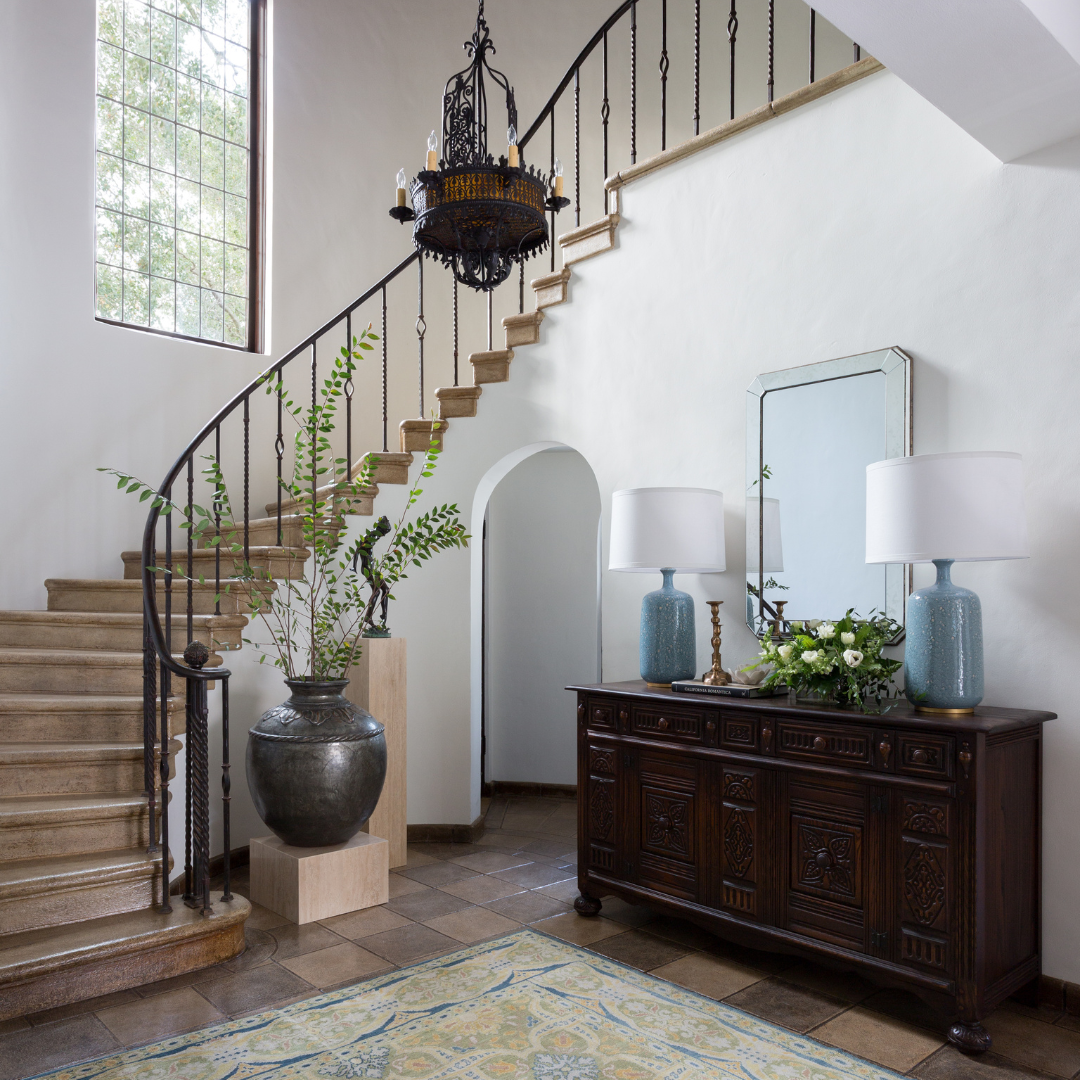
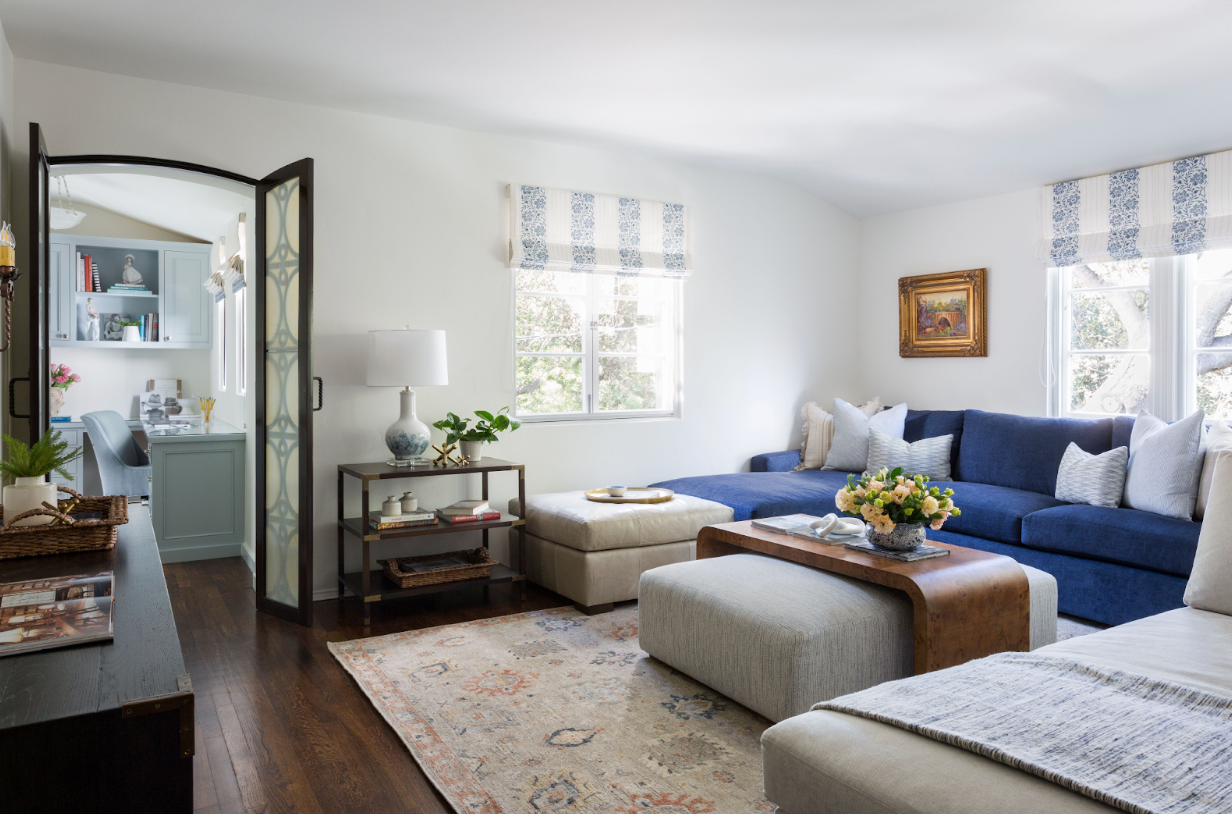
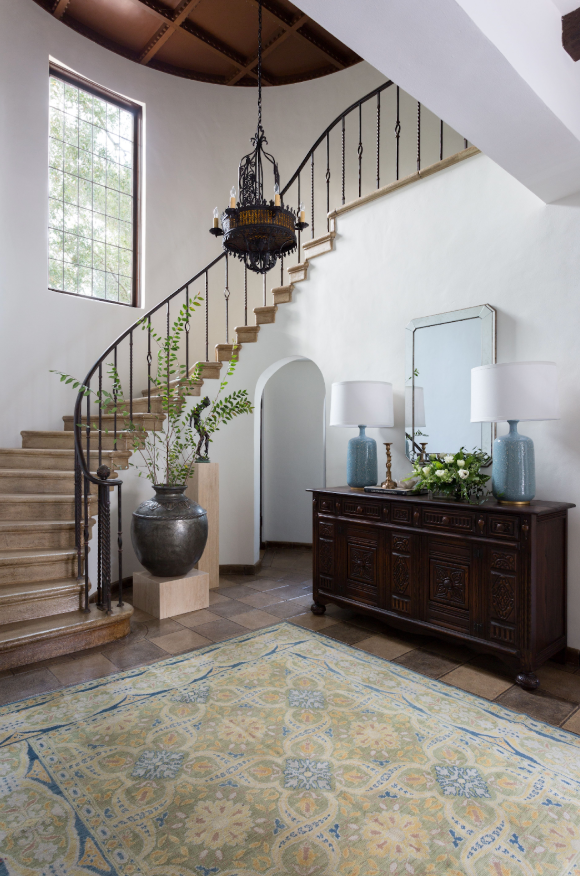
When our clients purchased their 1925 Spanish Colonial, they adored its charm. But they understood its layout didn’t suit contemporary family life. It was a historic home designed for formal entertaining, not Amazon deliveries and Costco runs. Because we were brought into the project early, we could rework the layout just as they needed it. An upstairs bedroom became a connected family lounge and home office. Original wrought iron and stone were preserved, and warm textiles and earthy color palettes softened those historic bones. Today, those same clients are downsizing. And once again, we’re at their side. We’re prepping the home for sale, and helping them decide which furnishings stay, and which will move with them. Design leadership reaches beyond install to evolve with life’s transitions.When Complexity Requires Clarity
In another project, our clients balanced demanding careers, heavy entertaining, frequent travel, and three children with a fast-moving builder already in place. They needed extensive storage for event tables, folding chairs, décor, and sports gear, but didn’t want to sacrifice the architectural integrity of their beautiful Tudor-style home. Because we entered the design process early enough, we were able to:- Plan millwork that concealed storage seamlessly.
- Convert underused garage space into a workout room and ADU.
- Align decisions with the builder’s timeline.
- Protect the clients from rushed, reactive choices.
Small Spaces, Big Impact
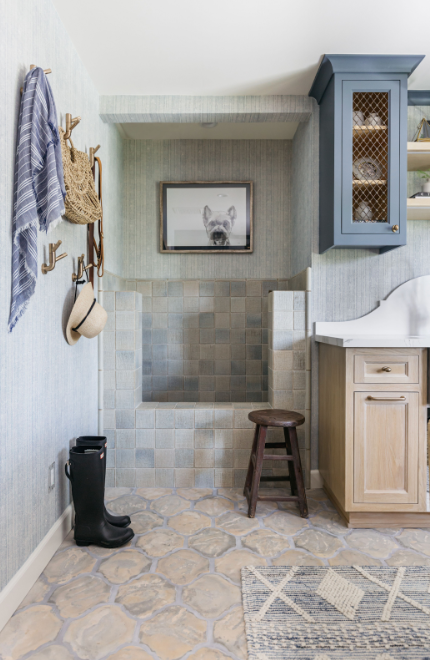
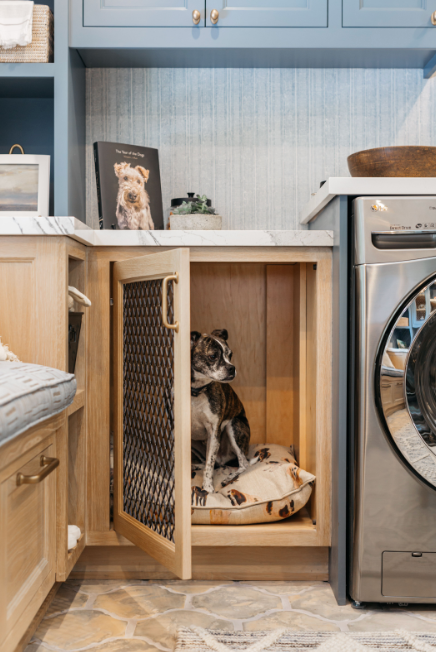
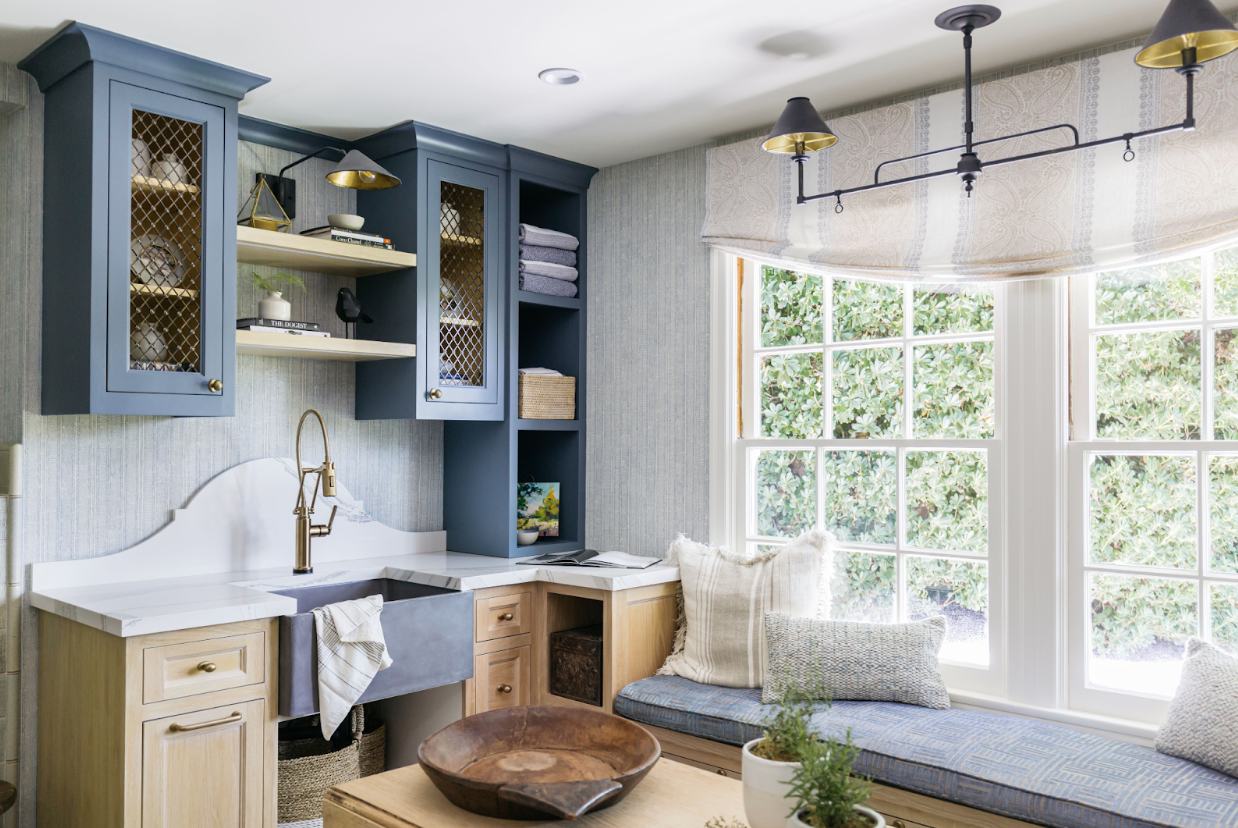
One of our favorite design challenges is planning for small-space innovation. Forgotten areas deserve as much attention as the most grand rooms, especially since they’re typically the zones that simplify routines and make life easier. Such was the case in a Pasadena home where we turned an unused bedroom into a mudroom that works triple duty. Laundry. Pet bath and dog nook. Storage for the children’s gear. The emphasis here was on planning early. Because once framing is complete, flexibility disappears. We landed on a design that features corner cabinets that reclaim forgotten space, built-in crates for the pups, and a sleek yet durable pet bathing station. Hundreds of small decisions, made at the right time, change everything.
Design Leadership Creates Calm
When the design team is brought in at the beginning: Clients feel steady. Builders move efficiently. Budgets remain transparent. A home unfolds as one cohesive story. There is a difference between decorating a space and guiding a vision. It is a privilege to walk alongside our clients through transitions – growing families, historic renovations, second homes, downsizing. The relationship often lasts far longer than the construction or installation phase. If you are standing at the beginning of a project, whether it’s a new build, major renovation, historic property, or life-stage shift, bring the design conversation forward. The earliest decisions matter most. And we are here when you are ready.