Designing Across Chapters: Why the Best Legacy Homes are Guided by Long-Term Partnerships
June 16, 2026
We view homes as chapters in an evolving life story. The needs and constraints of a young, growing family are markedly different from those of empty nesters looking to downsize. But what’s often overlooked is that the relationship and long-term partnership between client and designer can grow alongside those lifestyle transitions. It doesn’t need to begin and end with a single project.
We’re seeing more of our clients return to us over time – for new homes, renovations, relocations, second homes, or entirely new chapters. Not simply for design, but for continuity. For a shared understanding that deepens with each step forward.
Over time, we’ve come to recognize a pattern among a certain type of client. The kind who leads companies, makes high-stakes decisions daily, and understands the value of surrounding themselves with the right people. They hire strategically, looking for partners who understand how they think, how they live, how they make decisions, and the kind of legacy they want to leave behind. Design, in this context, becomes less about decorating and more about precision and trust.
Why the First Project is Only the Beginning
The first engagement is the foundation of a long-term partnership. We’re welcomed into a circle of architects, designers, consultants, and advisors whose mission it is to create a legacy home for a client. We learn their preferences, rhythms, routines, and priorities. And often, clients don't fully recognize those priorities until they've lived through at least one project.
During a first build or renovation, we establish trust and set standards for communication. We develop a shared language and understanding, where our team can decipher and respond to a client’s wishes or reservations. There’s a nuance to the designer-client relationship that can’t be extracted through an intake form. It can only be discovered through lived experience.
The Value of Continuity in Design
Designing across multiple homes creates something that can’t be replicated in a single project. And that’s a shared understanding.
Over time, we come to know how our clients truly live. What matters to them, what doesn’t, where they’re willing to invest, and where restraint feels more appropriate. That familiarity brings a natural continuity to the work.
It allows for:
- Cohesion in aesthetic and architectural sensibility
- Efficiency in decision-making, with fewer false starts
- Confidence in direction, without second-guessing
- Trust in guidance, built through experience rather than explanation
A “new” project often begins with exploration. Testing ideas, establishing preferences, defining direction – this requires more discovery.
A “next” project, on the other hand, builds on what’s already known.
The conversations are more focused. The decisions, more intuitive. Rather than beginning anew, we’re continuing forward-refining, evolving, and carrying the strongest elements with us into a new context.
That continuity is what helps each home feel distinctive, yet connected. Familiar, but not repetitive. And ultimately, more resolved across lifestyle transitions.
What Improves the Second (and Third) Time Around
By the time we’re invited back for a second project, something meaningful has already been established.
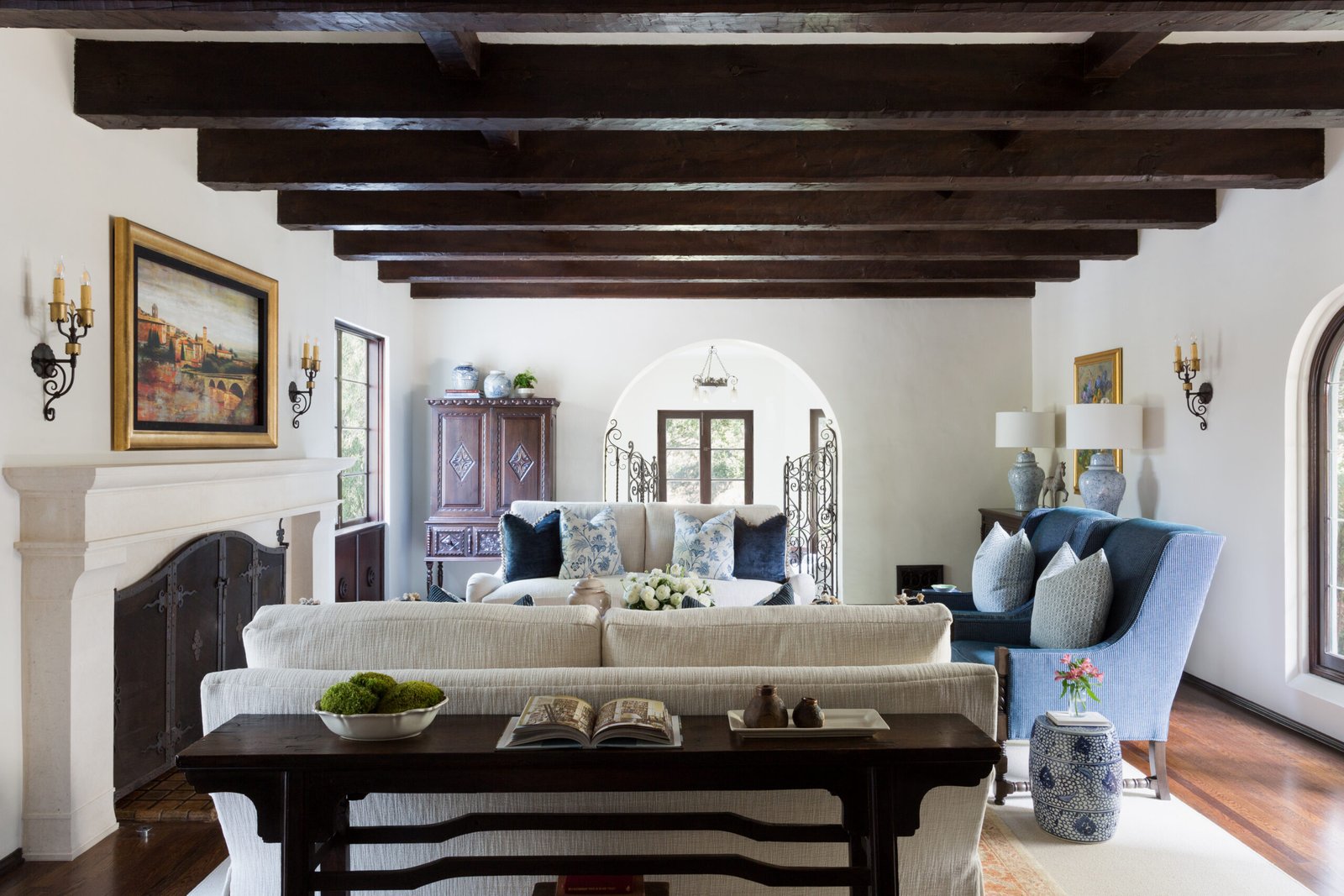
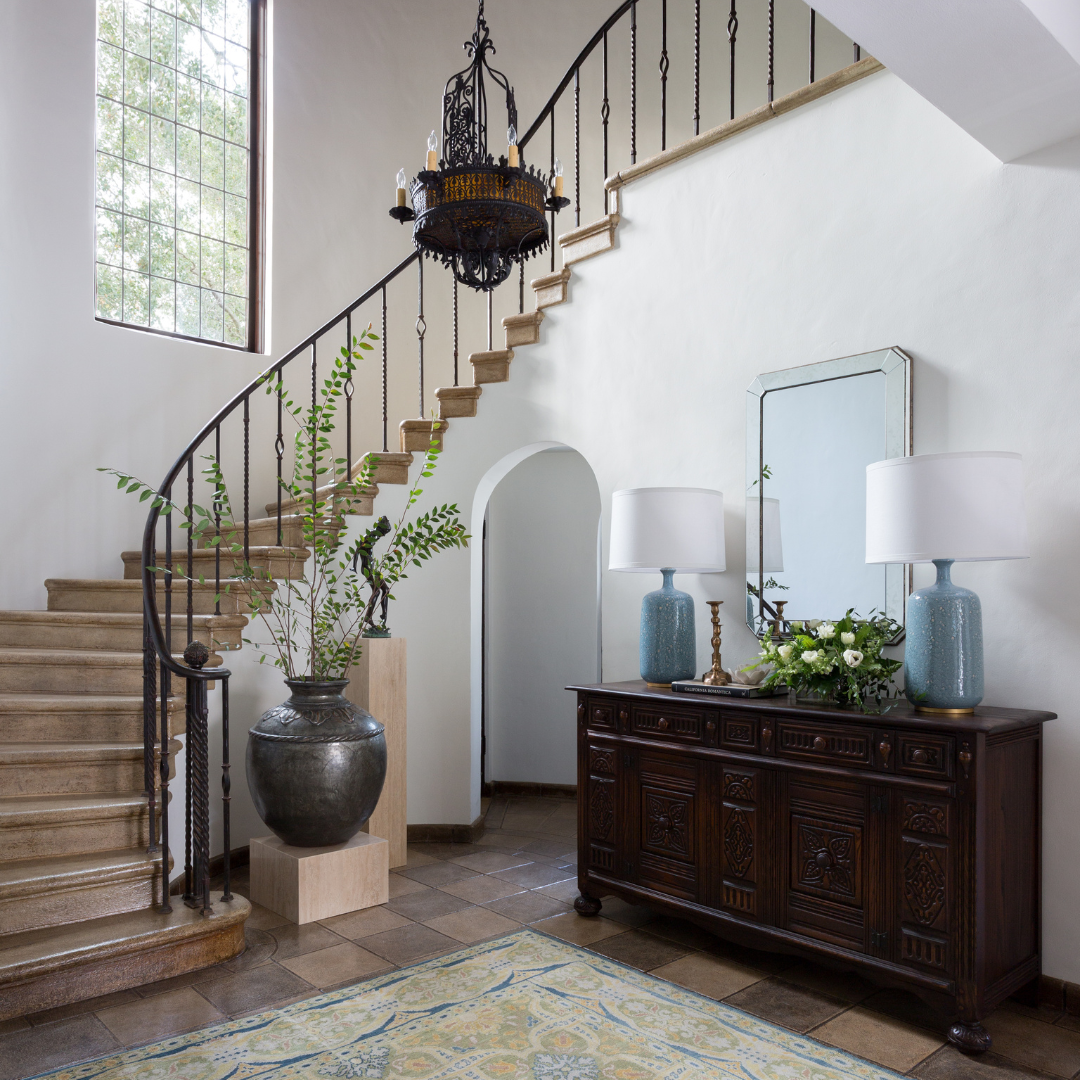
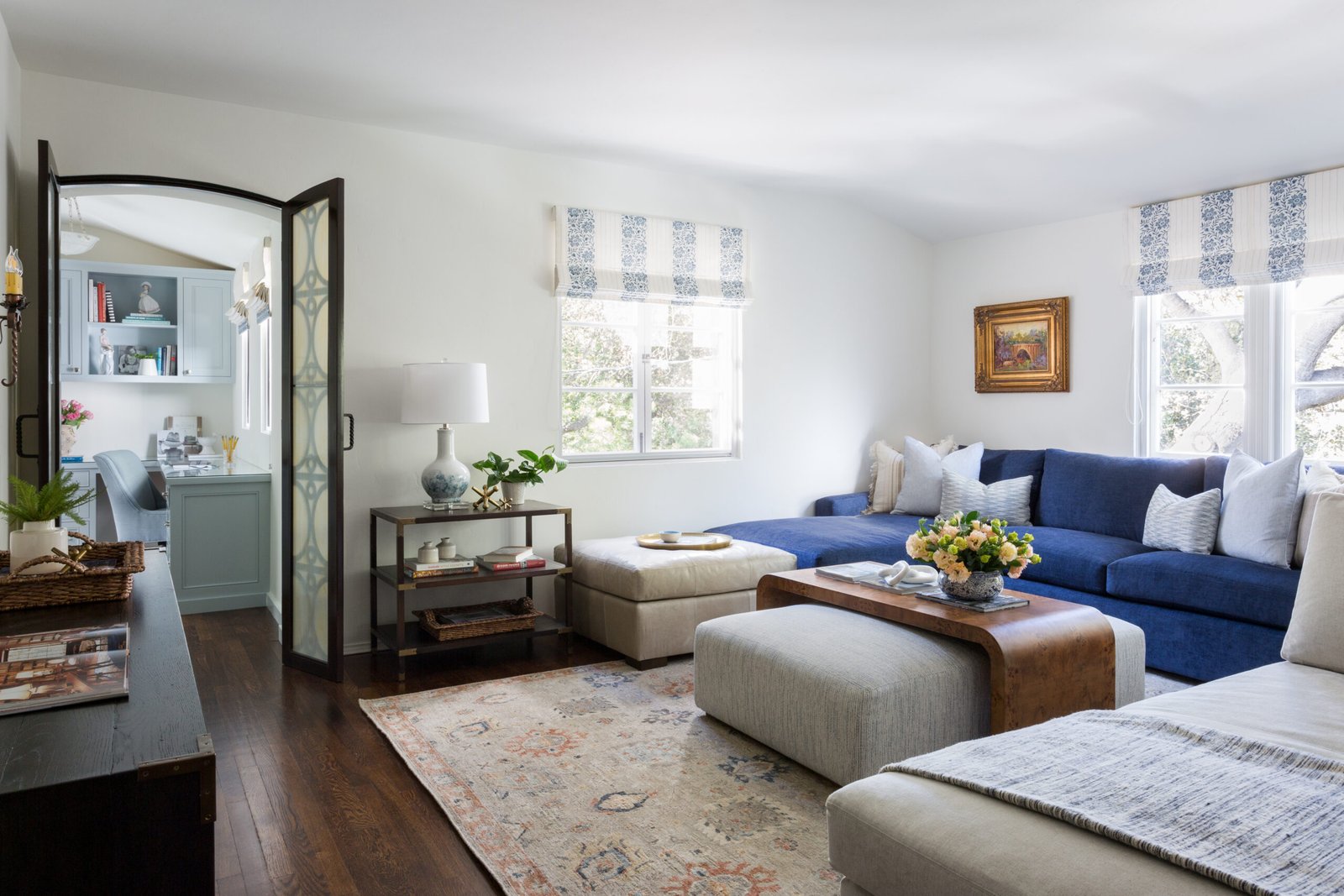
We’re no longer learning preferences. We’re building on them. We understand not only how our clients want their home to look, but how they want it to feel and unfold over the course of a day. Just as importantly, we understand how they like to make decisions. A few years ago, our clients came to us to reimagine their Spanish Revival home in La Cañada.
Their goal was to preserve its architectural integrity; the original materials and sense of history that make it so special. But they also wanted to make it feel more in tune with how they live today.
Because of our previous work together on their Laguna Beach home, we knew they gravitated toward lighter, more welcoming interiors. That insight shaped our approach for their La Cañada home.
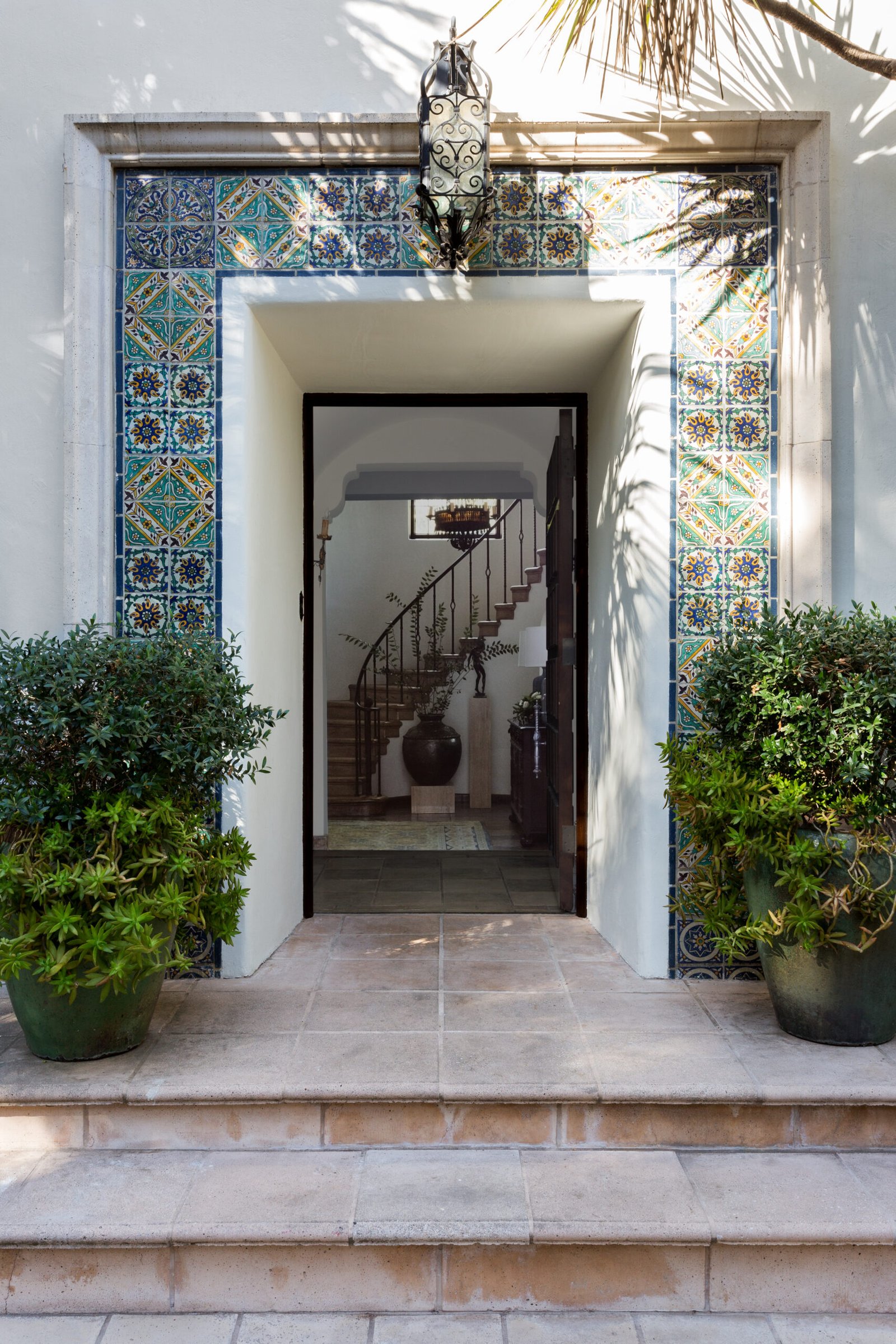
We softened the palette, allowing white and linen-washed walls to play against the richness of the original dark wood and wrought iron details. The contrast brought precision to the architecture without diminishing its character.
We also rethought how the home supported this family’s daily routine. An upstairs bedroom became a relaxed gathering space designed for evenings spent together, especially when the Lakers are playing. Adjacent, a home office allows for connection without interruption, so work and family life can coexist more naturally.
These are the kinds of decisions that become easier, and more exacting, over time.
Because our goal at this point is no longer to define a direction, but to refine one that already feels like home.
A Familiar Thread, a New Expression
We’re seeing this play out once again in a project in Fort Wayne.
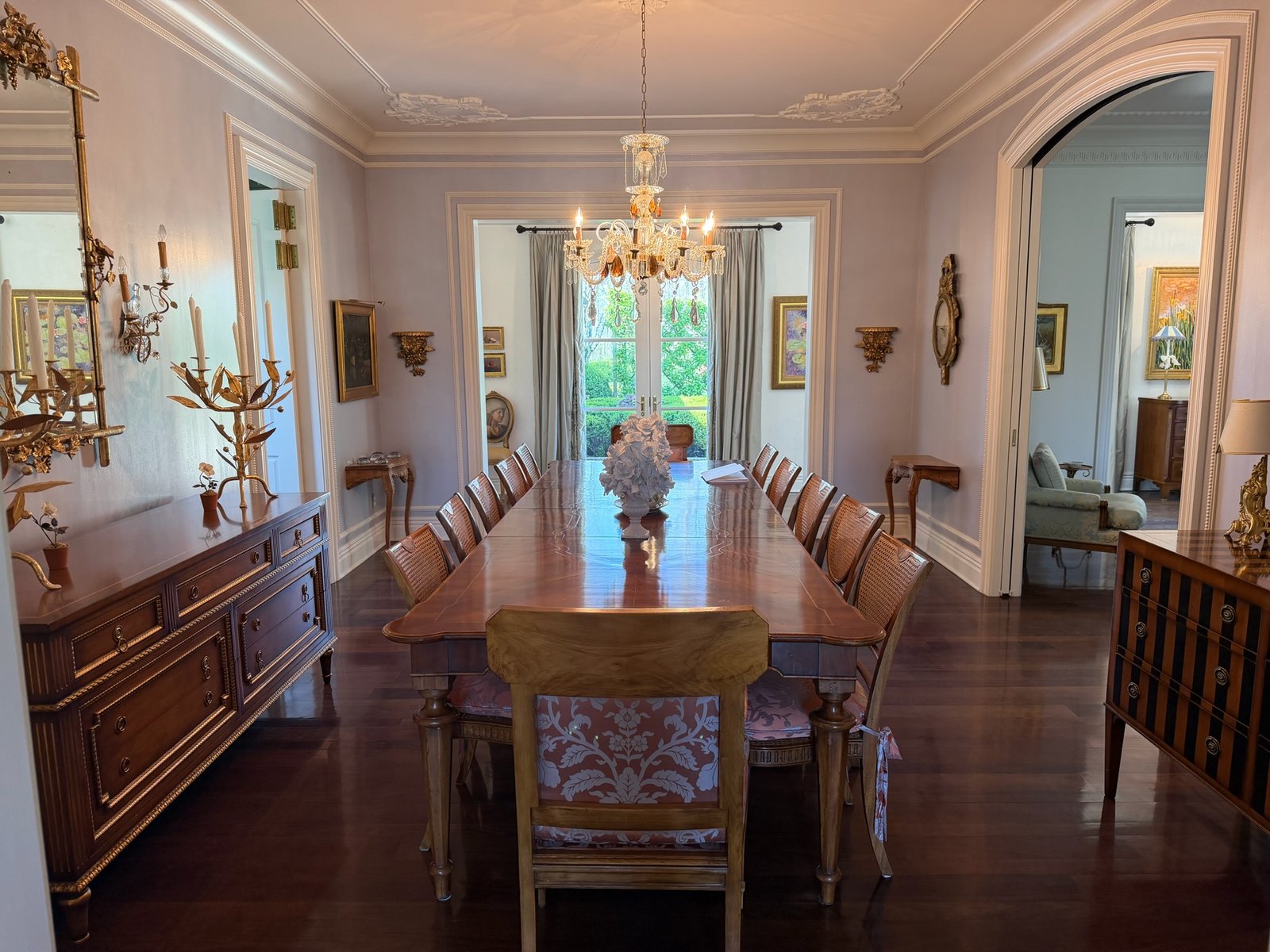
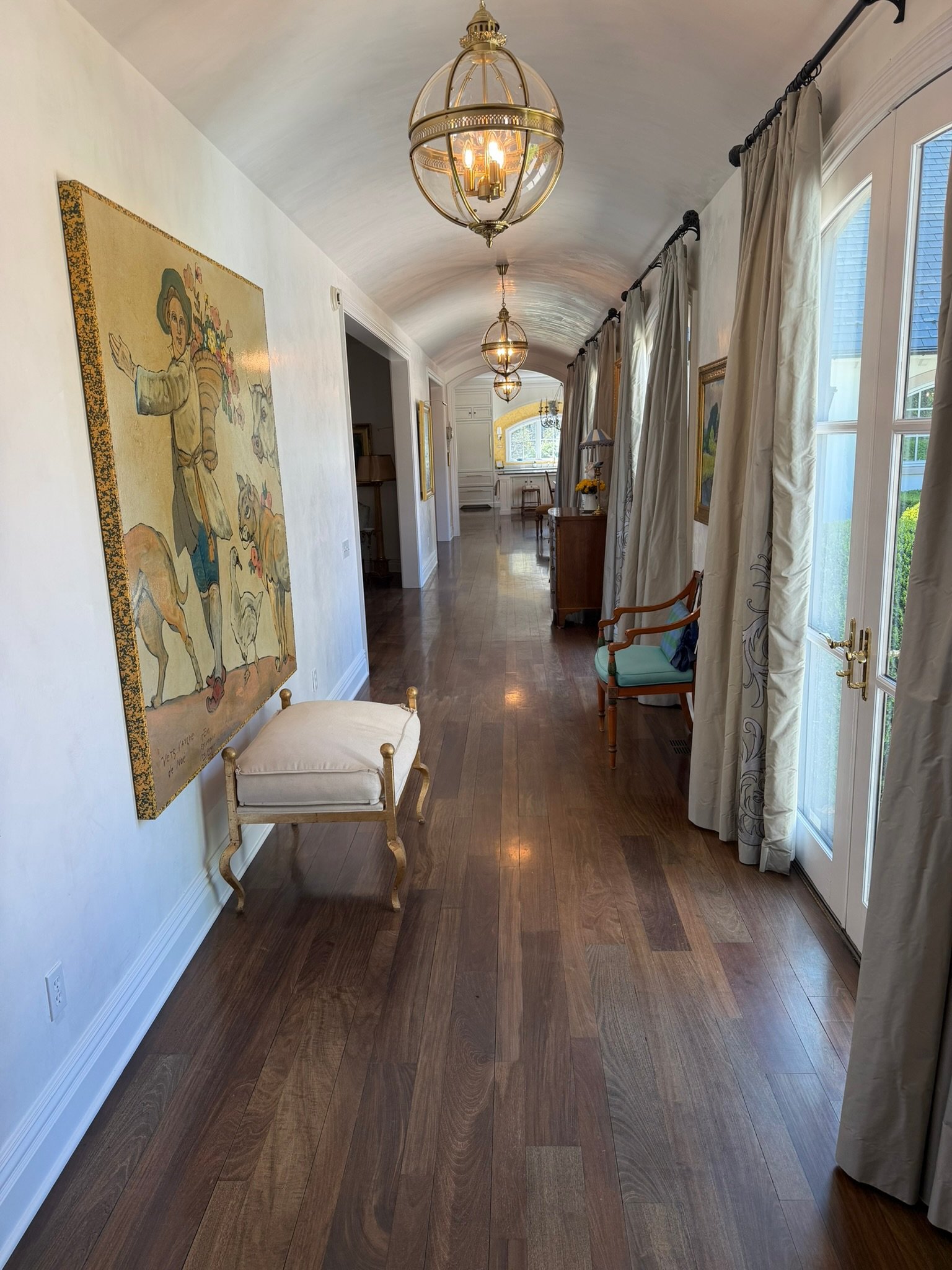
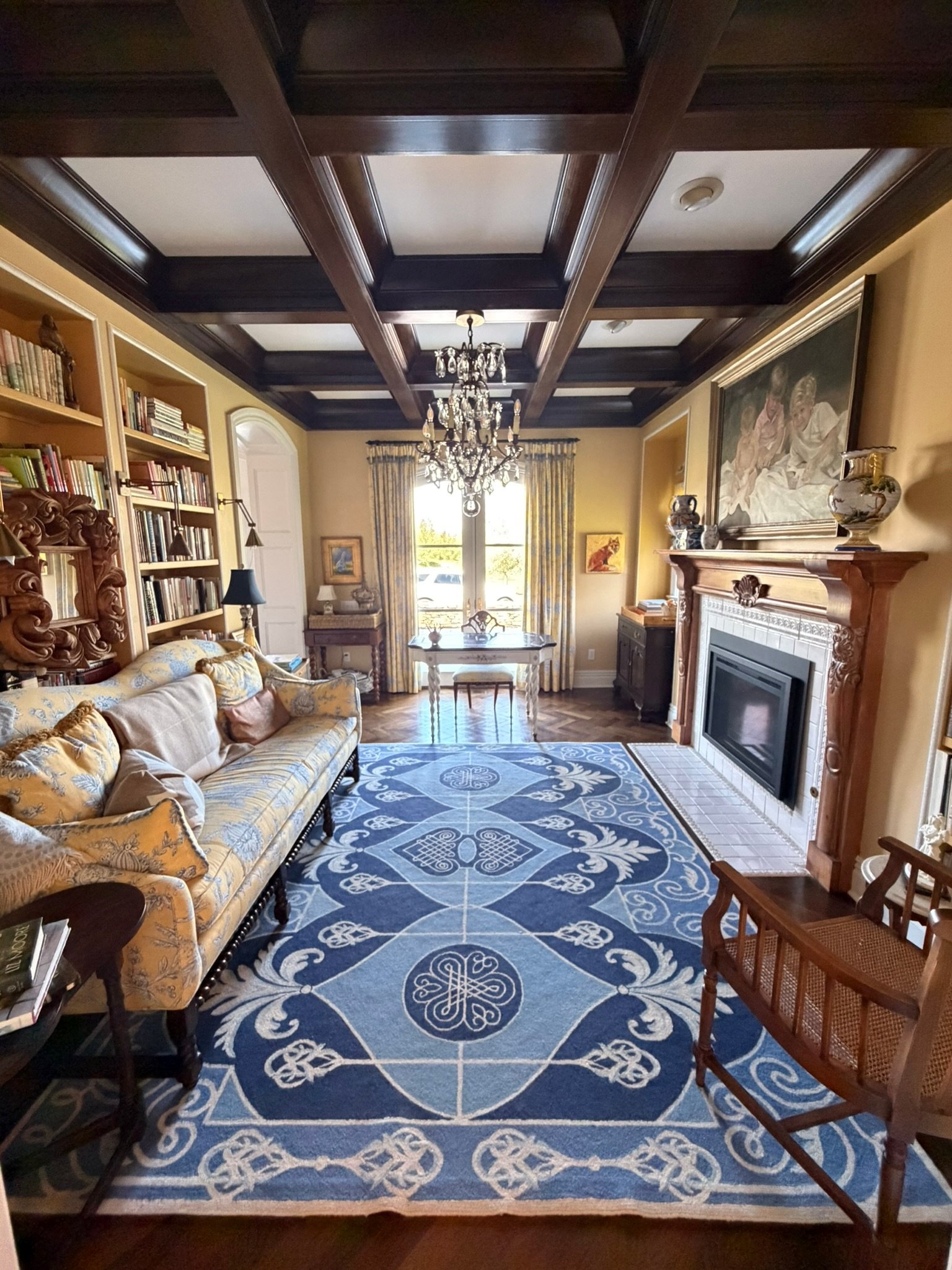
We have a long-term partnership with a repeat client, a CEO we’ve worked with for years, who is relocating from Los Angeles to the Midwest. In California, we designed her historic Tuscan villa-style home to feel warm and grounded with rich textures. Her new residence in Indiana is entirely different. A French chateaux-inspired home with its own architectural language.
Two homes. Two aesthetics. Polar opposite environments. And yet the through-line, our client, remains the same.
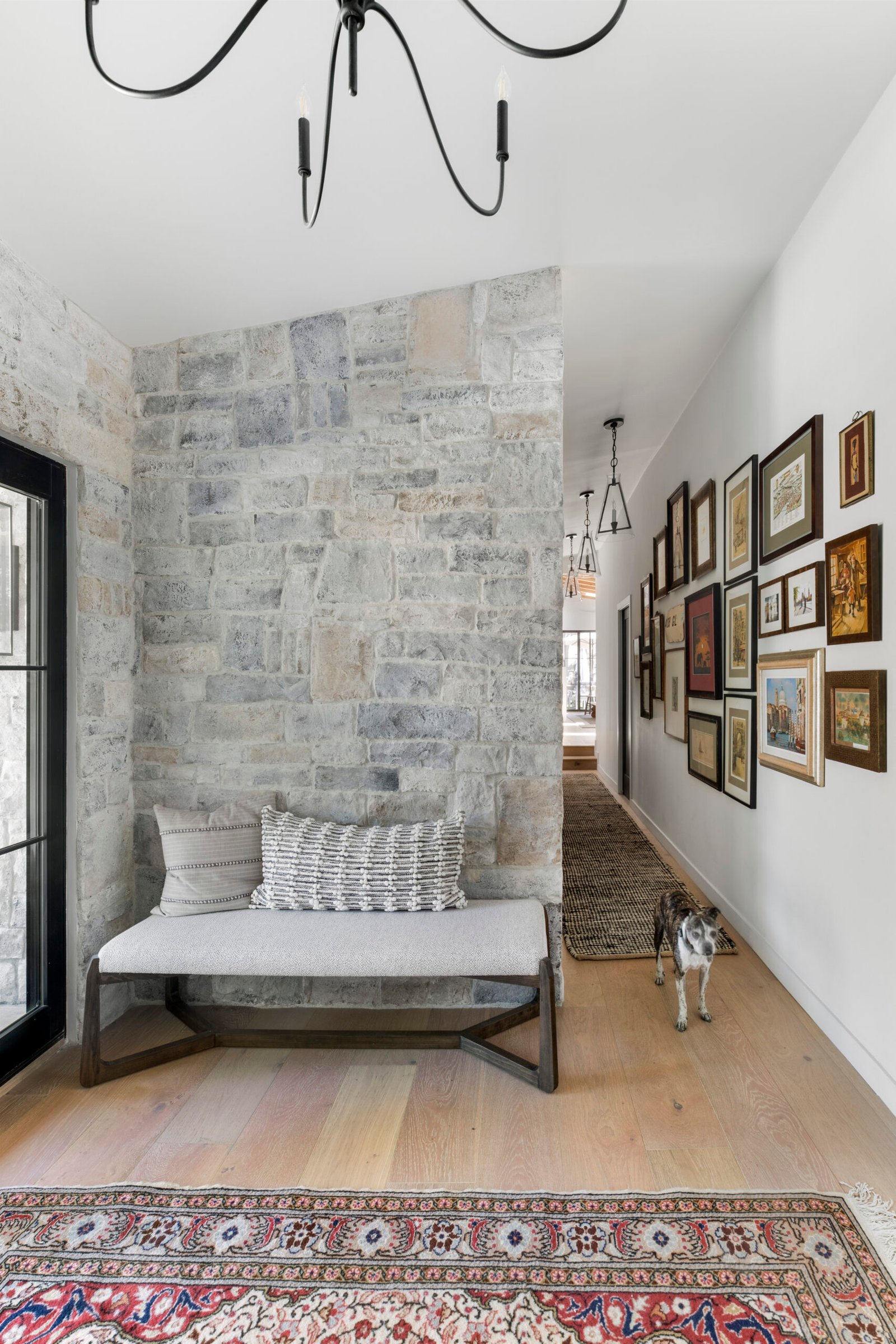
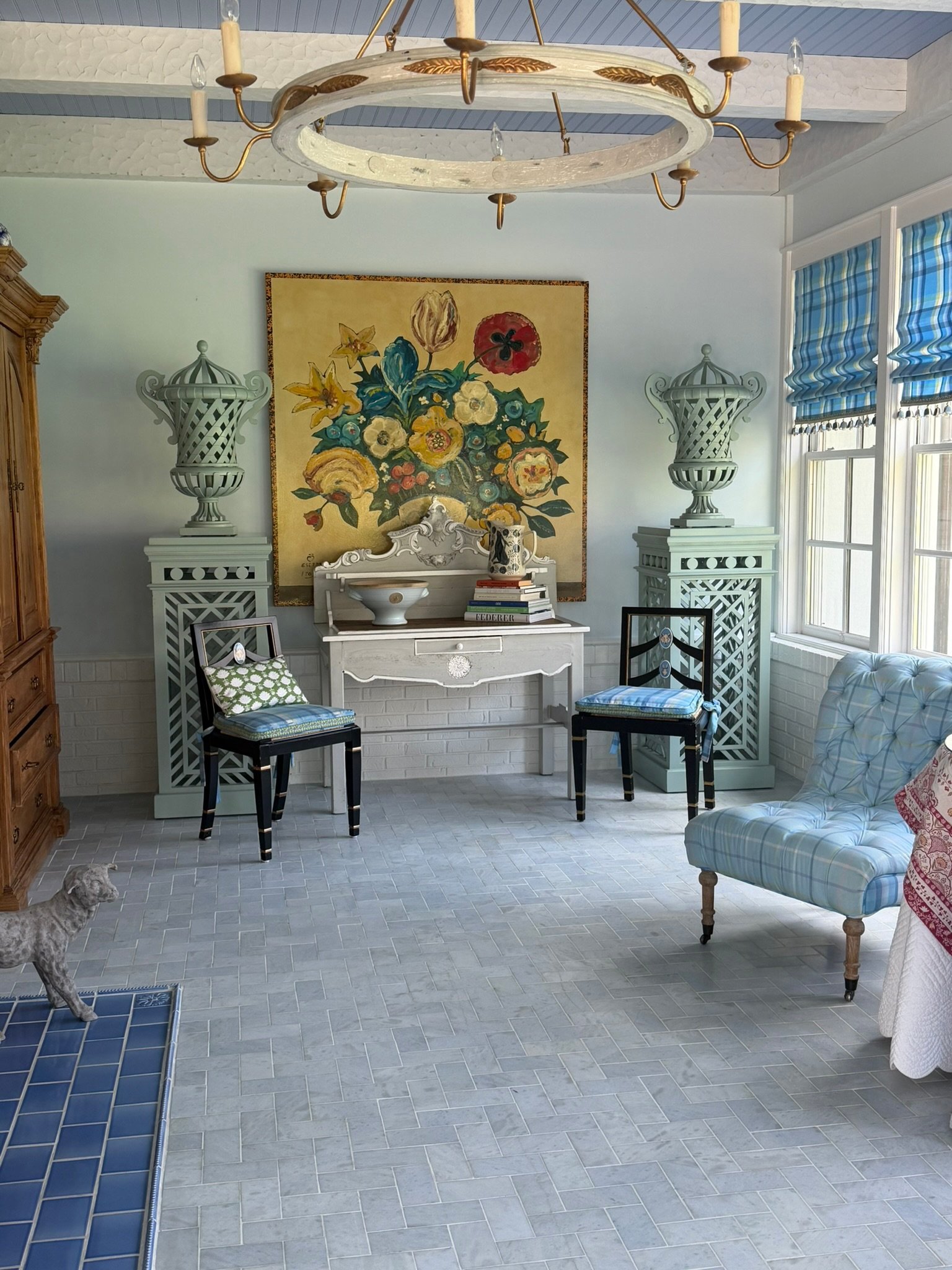
All below images are from our client's Indiana home, before our design work. Follow along for the grand reveal, a new take on a french chateaux.
This is Why She Brought Us Back
She wanted to return to a trusted team that already understood:
- her aesthetic instincts
- her tolerance for risk and restraint
- how she makes decisions
- her routines and how she wants to live in her space
That kind of understanding isn’t built overnight, but it’s earned over time.
Because she chose to bring us back, that meant she didn’t have to onboard a new team. No one had to relearn her stylistic preferences or ways she preferred to communicate. We could move quickly and decisively, with a level of confidence that only comes from familiarity.
In our client’s world, time is an invaluable resource. As is precision. And those are two elements that we could offer by coming back for this next project.
The Designer as a Long-Term Advisor
Over time, the designer’s role naturally expands to become one of long-term stewardship.
It moves beyond a single project, or a defined scope, into something more enduring. An advisory relationship built on trust, familiarity, rapport, and shared perspective.
At this stage, our work often begins earlier. Sometimes before a home is even purchased. We’re asked to walk properties, evaluate potential, share insights, and consider how a space might evolve over time. Not just what it is, but what it could become.
We help assess layout before it’s fixed. Identify where architectural changes will have the greatest impact. Guide decisions that carry long-term implications; how a home will serve years from now, not just at move-in.
There is merit in presenting options. But the real value is in providing assurance and a clear path forward.
A steady, expert point of view when decisions feel complex. A way to filter what matters from what doesn’t. An understanding of how each choice connects to the whole.
Over time, that perspective becomes protective.
Of time, through fewer revisions and clearer direction.
Of budget, through thoughtful allocation and fewer missteps.
Of design integrity, ensuring the home continues to feel cohesive, even as it evolves.
This is where the relationship shifts.
From designer to advisor.
From project to partnership.
A Different Kind of Long-Term Partnership
A design firm, at its best, transcends the vendor category.
There is the potential for something more enduring – a partnership that extends beyond a single project and deepens over time. As we move through multiple homes and chapters with our clients, the work becomes more personal. More intuitive, and in line with our clients’ lives.
With each collaboration, there’s less to explain and more to build upon. What emerges isn’t just continuity in design, but continuity in understanding. A shared perspective and approach that allows each residence in a portfolio to feel connected, even as it evolves.
Trust lives at the heart of it all. It informs how we make decisions and how we execute the design process for a home that feels deeply known and personal to our clients.
→ Connect with us to learn more about what a meaningful design partnership can look like.