Custom Home vs. Development Home: Which is Right for You?
February 17, 2025
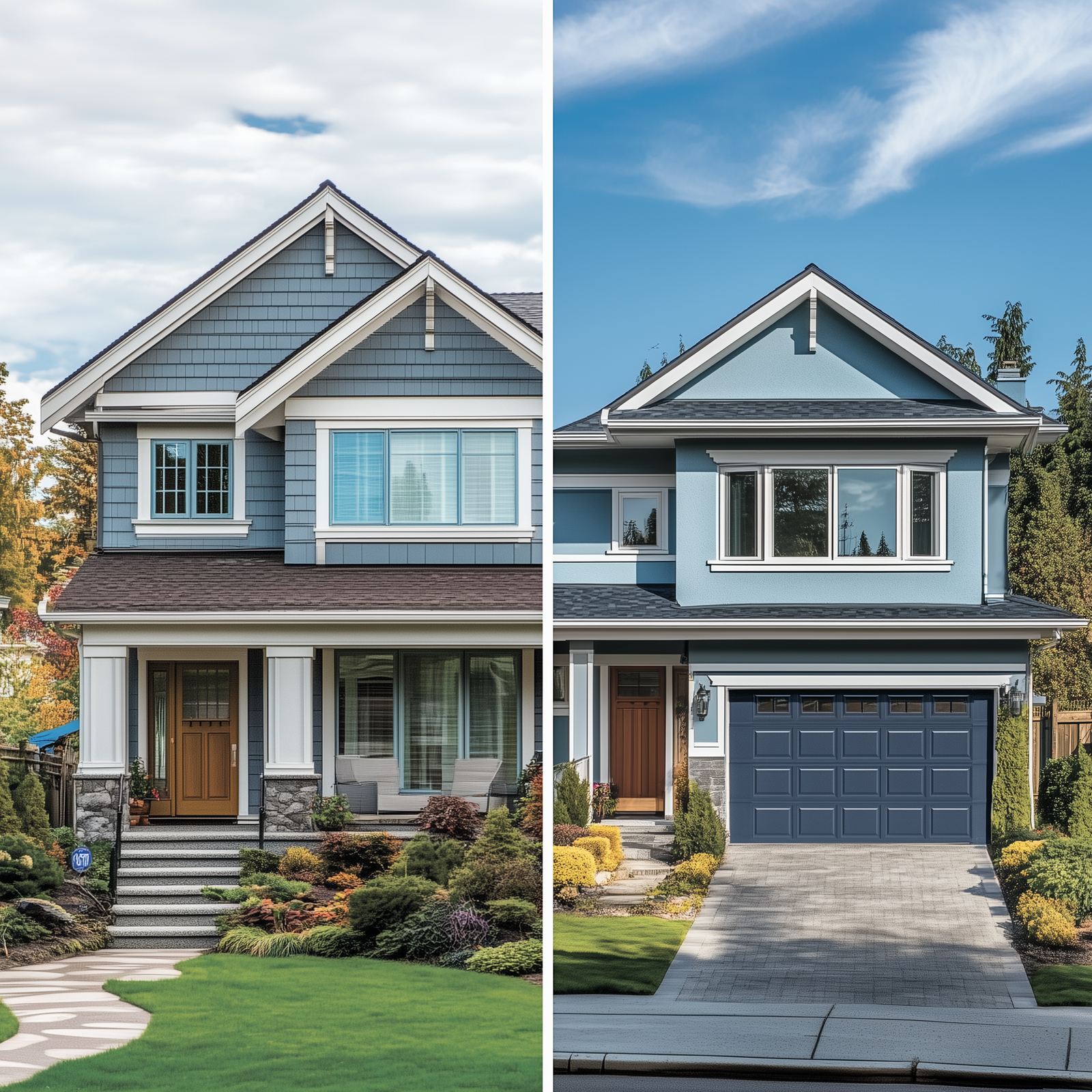
For many homeowners affected by the recent fires, rebuilding comes with tough choices. Do you go fully custom and rebuild exactly what you lost, or take a more streamlined approach through a development builder? With architects and contractors in high demand—and material shortages driving up costs—many developers are offering an efficient, budget-conscious alternative. But does that mean it’s the right choice for you? Let’s break down the pros and cons of a custom home vs. a development home approach so you can make an informed decision about how to move forward.
Custom Home Build: Your Vision, Your Rules
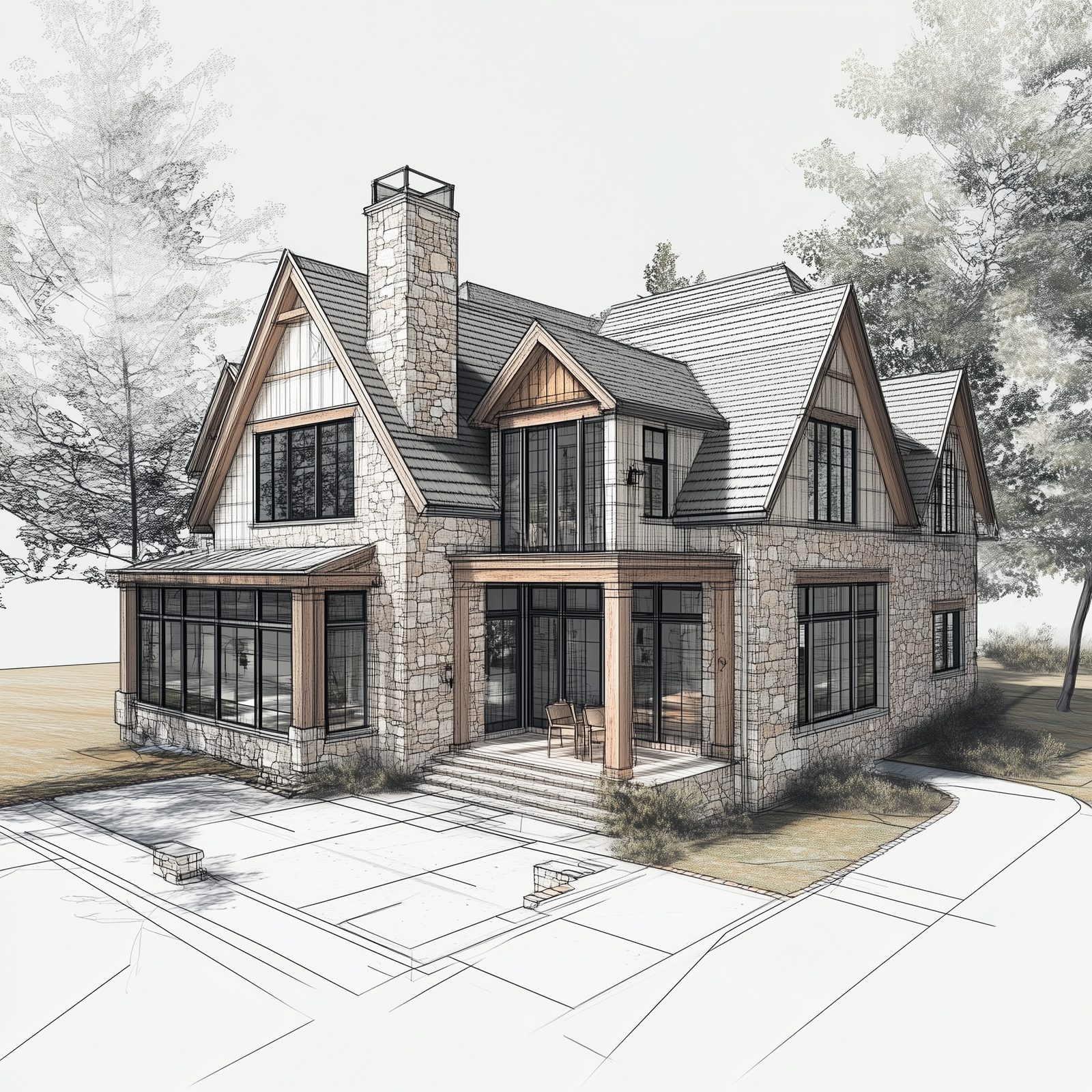
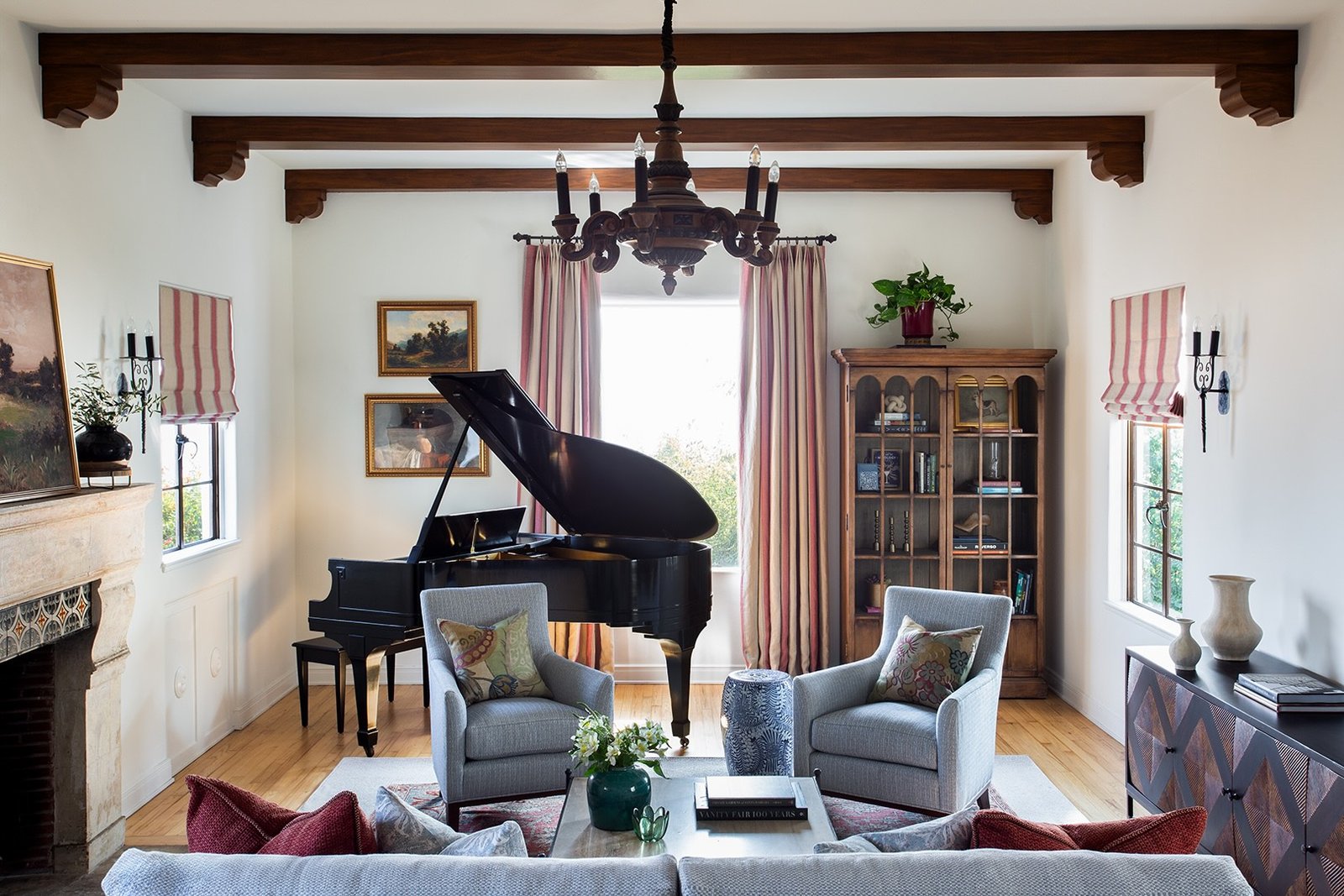
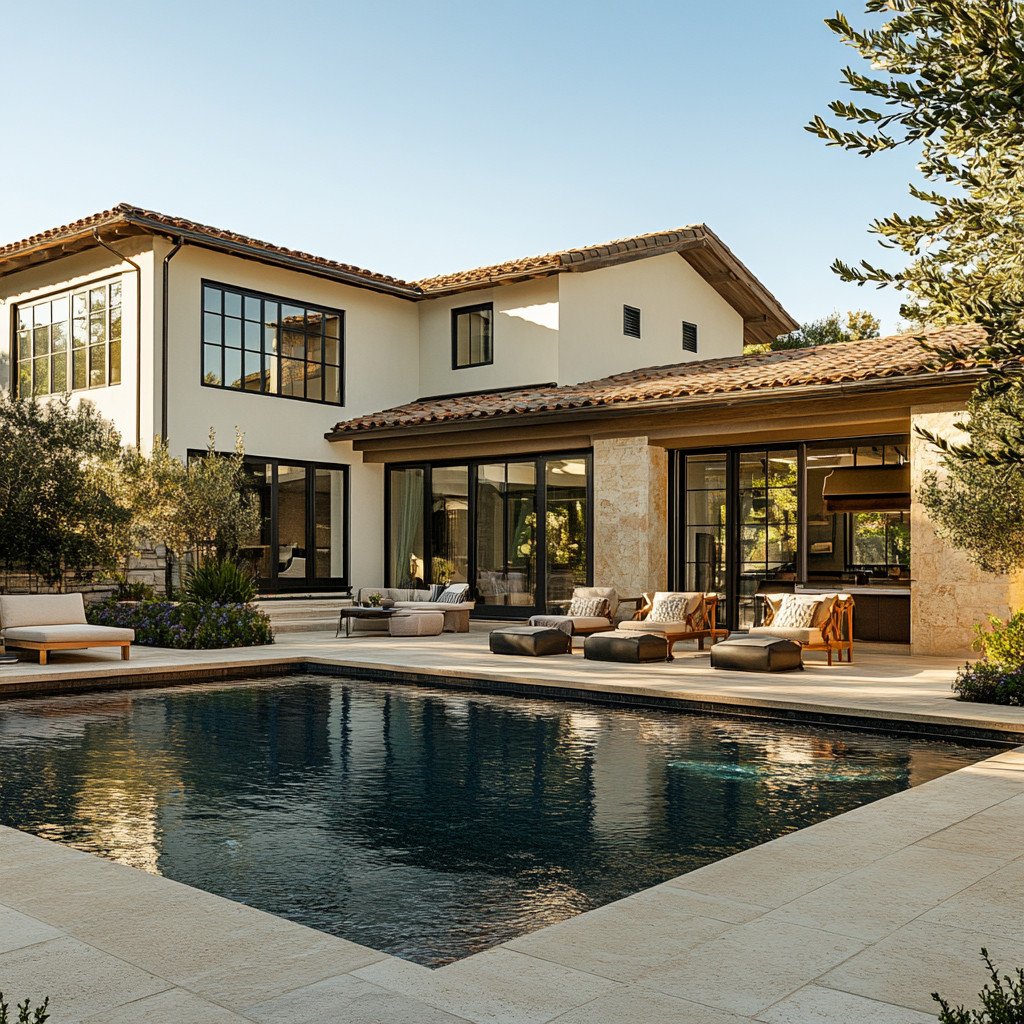
If you’ve ever dreamed of a home where every detail reflects you—from the layout to the finishes—custom building is your playground.
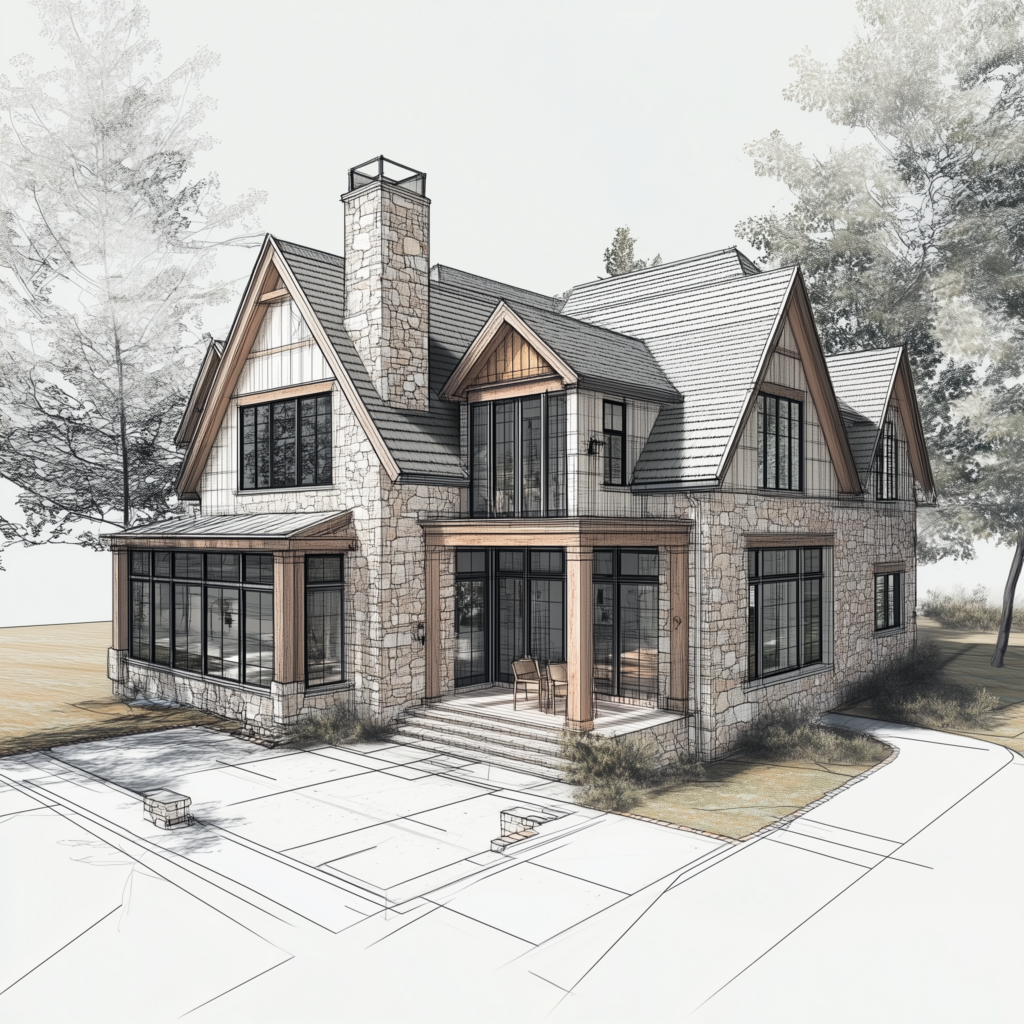
Pros of a Custom Home Build:
✅ Unique Design: Your home is truly one of a kind, tailored to your lifestyle, aesthetic, and long-term needs.
✅ Quality Control: You select your architect, builder, and finishes—ensuring you get exactly what you want, not a developer’s best guess.
✅ Location Freedom: Want a mountain retreat? A coastal haven? A house with the perfect sunset view? You get to pick the land.
✅ Long-Term Investment: A well-designed custom home often holds its value better because it wasn’t built for mass appeal—it was built for quality and thoughtfulness.
Cons of a Custom Home Build:
❌ Longer Timelines: Permitting, designing, and constructing from scratch takes time. If patience isn’t your virtue, this might not be your best route.
❌ Budget Surprises: Custom means no economies of scale—so costs can (and will) creep up.
❌ Decision Overload: Every choice, from door hardware to paint undertones, is on your plate. If you’re indecisive, buckle up.
Development Home Build: The Streamlined Path
Developers offer a more turnkey approach to homebuilding. You’ll get some flexibility, but within the developer’s parameters.
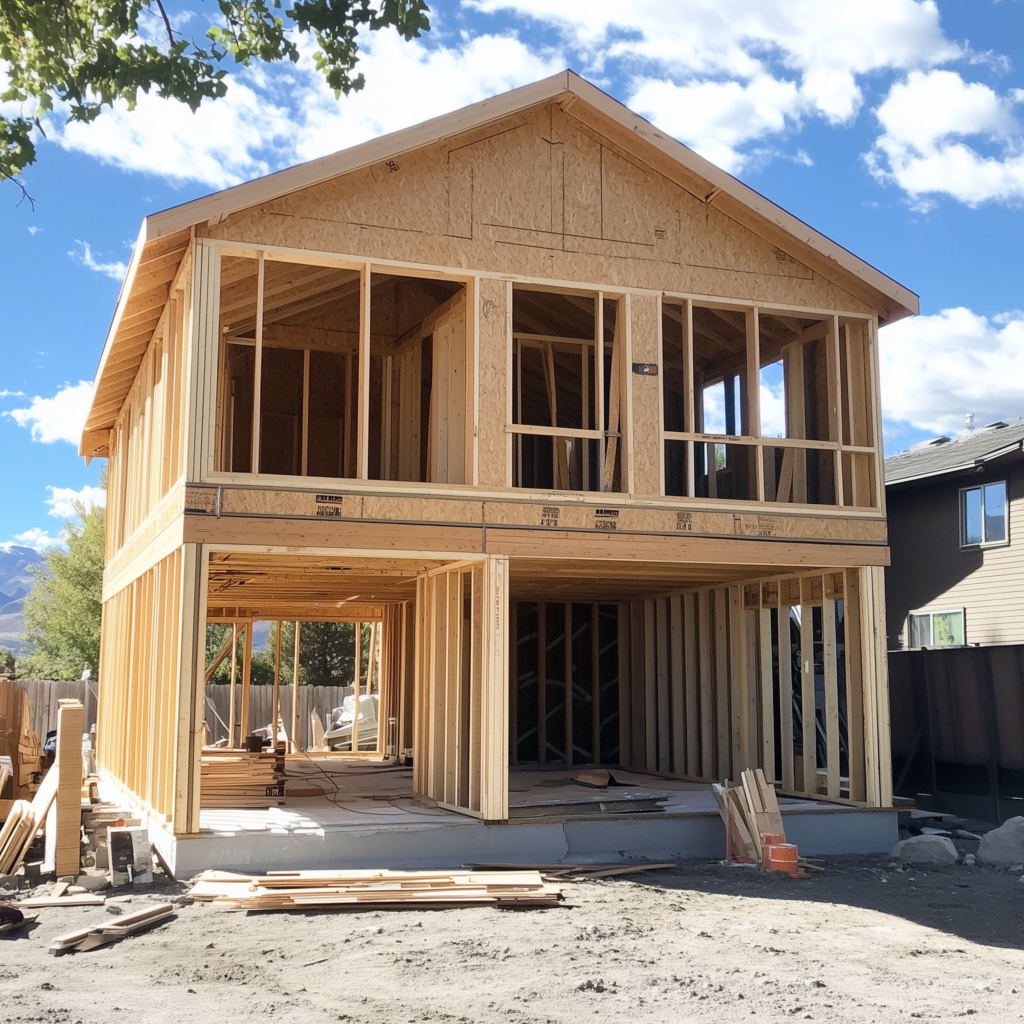
Pros of a Development Home Build:
✅ Faster Move-In: With pre-approved plans, streamlined construction, and predictable timelines, you could be in your home within a year.
✅ Cost Savings: Developers buy in bulk, so materials and labor costs are lower than a fully custom build.
✅ Less Stress: The big design decisions are already made. You’ll choose from curated options rather than starting from scratch.
Cons of a Development Home Build:
❌ Limited Personalization: Customizations are often surface-level—floor plan tweaks may be impossible.
❌ Quality Variability: Not all developers prioritize craftsmanship. Research is crucial.
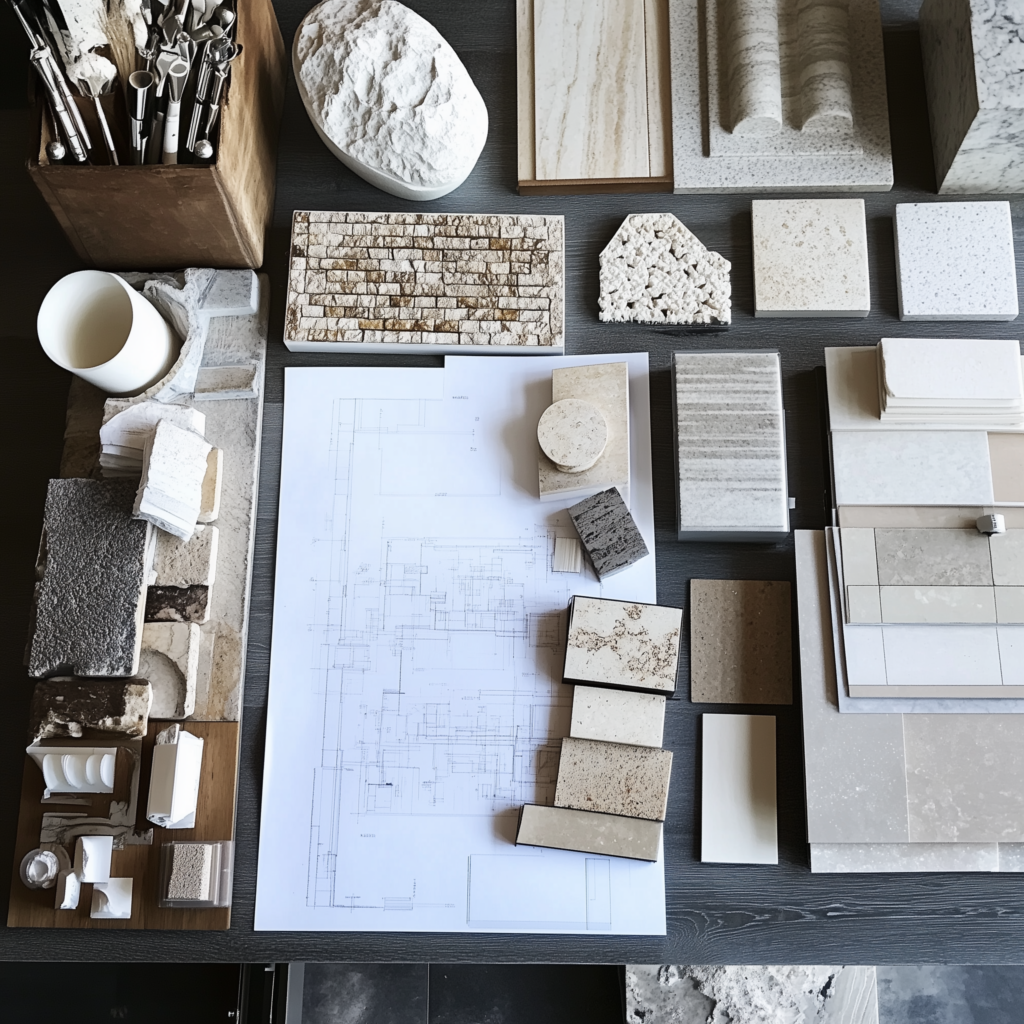
Finding the Right Fit: Questions to Ask a Developer
If you’re leaning toward a development build but still want some customization, arm yourself with the right questions:
🛠 How much can I modify the floor plan? (Some developers allow minor tweaks, while others won’t budge.)
🛠 What finishes and fixtures are standard vs. upgrades? (Know what’s included so you’re not paying extra for basic quality.)
🛠 Can I bring in my own designer or architect? (Some developers allow you to work with your own team, while others require you to stick with their in-house choices.)
🛠 Who is your typical subcontractor, and what’s their quality standard? (Cheap labor and materials can be a red flag.)
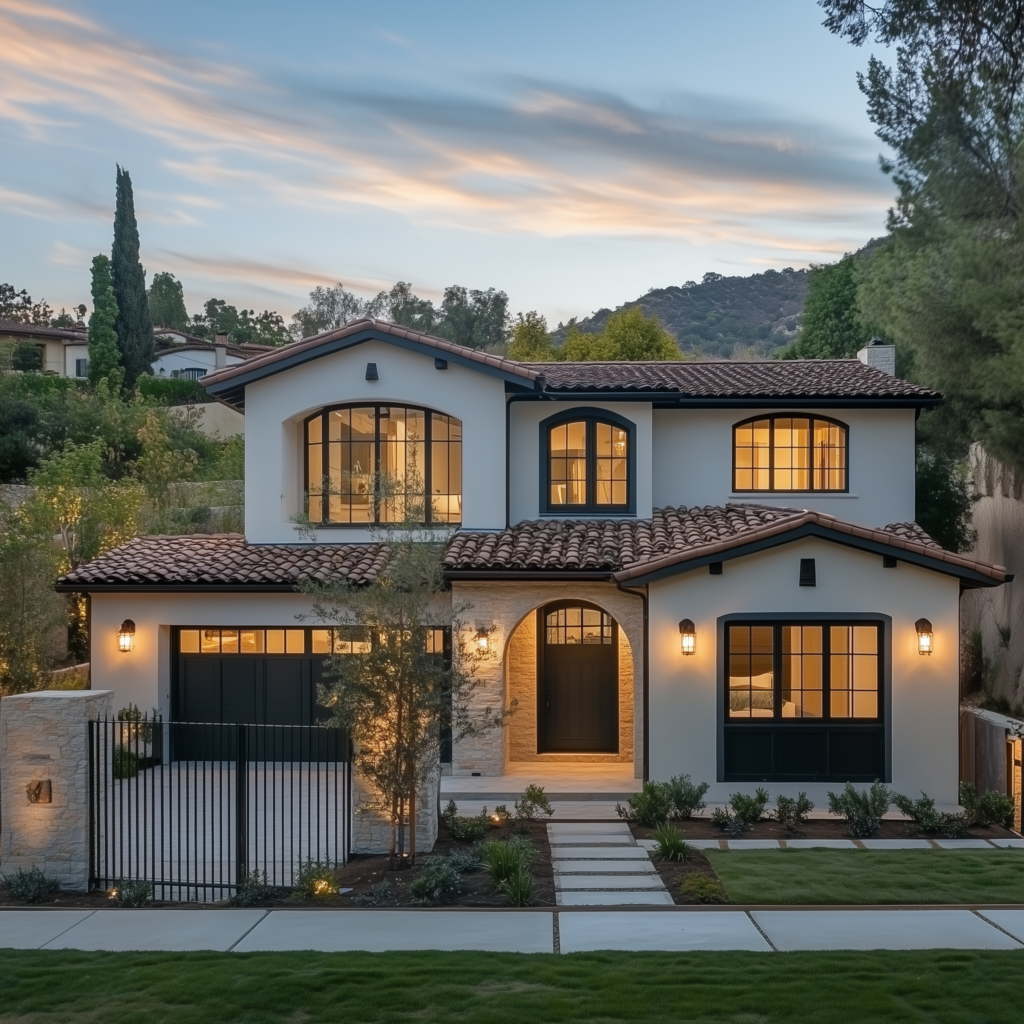
Final Thoughts: Which One Should You Choose?
If you want a home that’s deeply personal, built with long-term quality in mind, and you’re ready to invest in the process—custom is the way to go.
If you value convenience, efficiency, and a more predictable timeline (and budget), a development home build could be your best bet—just make sure to find a developer that offers enough flexibility to make your home feel like yours.
Either way, the goal is the same: a home that fits and reflects your life beautifully.
Thinking about a build? Let’s talk! At Courtney Thomas Design, we help clients navigate both paths—making sure the home-building journey is as seamless (and stunning) as the final result.
For further inspiration and insights, explore the full portfolio, additional interior design blogs, and learn more about Courtney Thomas and the firm’s approach to thoughtful, livable design.